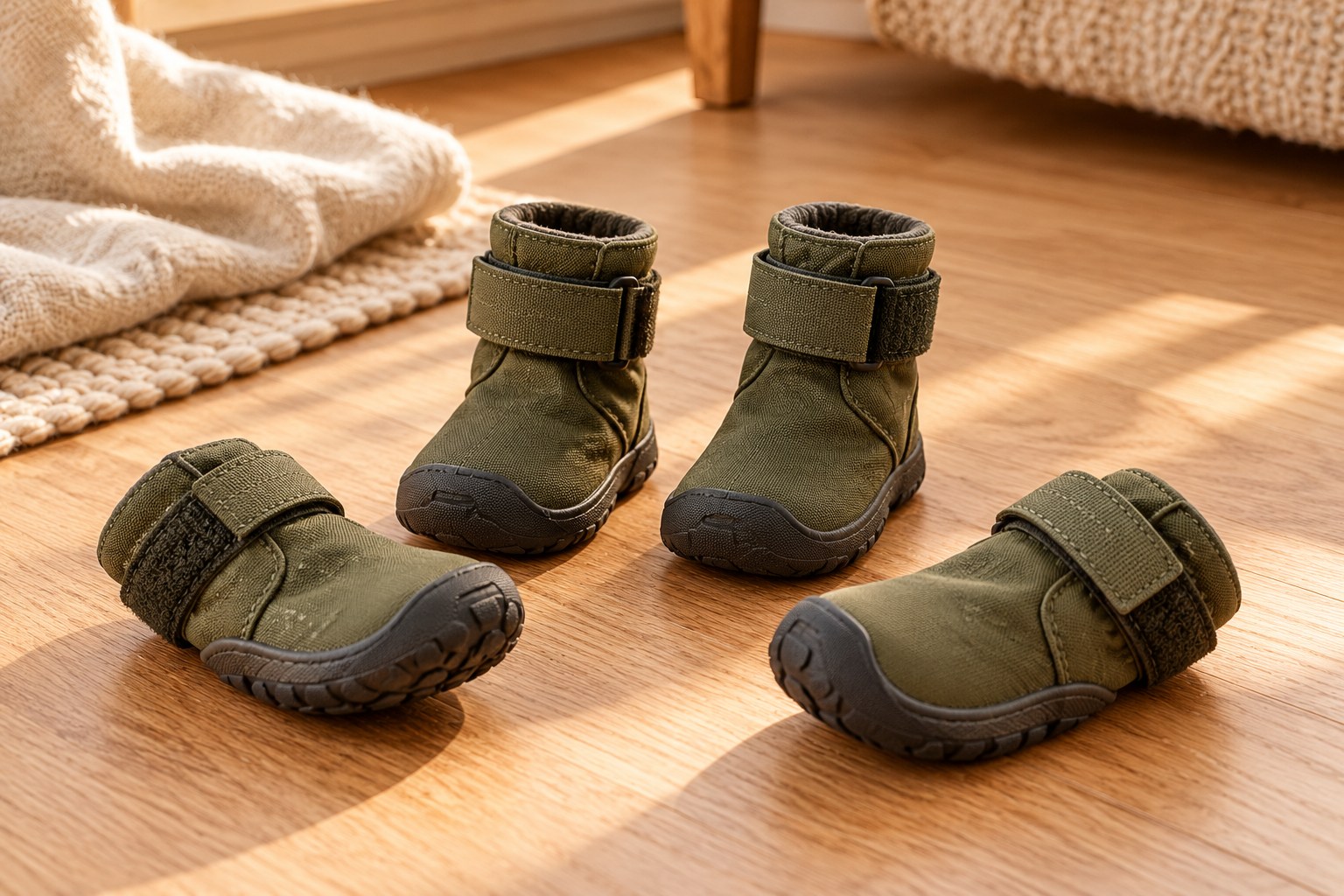
A Gradual Routine for Introducing Dog Boots
Build a short, reward-based introduction to dog boots, with attention to paw handling, proper placement, movement, and when discomfort calls for a fit change rather than more practice.
Explore the guide180 guides to the products that share your pet's day. Search a material, a feature, or a question; find the details worth thinking through.
180 guides across 8 collections
Try a broader product name, check the spelling, or browse all collections.
Build a short, reward-based introduction to dog boots, with attention to paw handling, proper placement, movement, and when discomfort calls for a fit change rather than more practice.
Explore the guideCompare dispenser slots, roll fit, mounting methods, closures, and spare-bag access to avoid rattling containers, jammed rolls, and awkward openings when using your chosen waste bags.
Explore the guideConsider balance, belt placement, release access, and route conditions before choosing a waist-connected leash, especially when carrying bags or walking a dog that changes direction suddenly.
Explore the guidePlan sensible adjustment range, lightweight hardware, repeated fit checks, and replacement points when selecting a young dog’s collar and harness without buying oversized equipment for future growth.
Explore the guideCompare raincoat panels, neck openings, belly coverage, and harness access to find a shell that manages wet walks without bunching, flapping, or restricting ordinary movement.
Explore the guidePlan pocket placement, closures, strap length, and waste separation for a dog-walking bag that opens predictably while the leash stays organized in your other hand.
Explore the guideUse pavement width, crossings, sniffing opportunities, and your handling habits to choose a fixed leash length that offers useful space without leaving unmanaged loops around feet.
Explore the guideEvaluate light placement, visibility from different angles, charging details, weather protection, and attachment stability when adding an active light to a dog’s existing evening walking equipment.
Explore the guideUnderstand when a two-dog coupler simplifies walking and when differences in pace, size, sniffing habits, or personal space make separate leashes the more workable choice.
Explore the guideCompare sole stiffness, tread depth, flexibility, and interior construction when selecting dog boots for a defined walking surface rather than buying the most rugged-looking pair.
Explore the guideExplore collar width, edge finish, adjustment range, and hardware weight, with a fitting routine that considers the dog’s neck proportions instead of relying on appearance alone.
Explore the guideEvaluate opening ease, bag dimensions, seam integrity, and disposal labels without assuming that a green color or an environmental phrase tells you what your local waste system accepts.
Explore the guideUnderstand where a Y-front harness should sit, how to judge strap clearance, and why a size chart cannot replace watching your dog move in the finished fit.
Explore the guideCompare grip, weight, drying behavior, stitching, and clip movement in flat and rope leashes so the material suits your hands and your usual walking route.
Explore the guideLearn how leash attachment positions change handling, where twisting can develop during turns, and when a dual-clip harness adds useful flexibility to your usual walking routine.
Explore the guideExplore why deep chests need more than a larger size, with attention to sternum length, girth-band placement, neck openings, and adjustments that remain balanced during walking.
Explore the guideExplore adjustable leash configurations, two-point harness connections, clip management, and the practical compromises that come with extra rings when changing lengths during an ordinary daily walk.
Explore the guideCompare clip operation, gate clearance, swivels, and inspection habits so a leash connects cleanly to the hardware you actually use, including with gloves and in poor light.
Explore the guideEvaluate lower leash handles for crowded stretches, including handle placement, handler height, dog size, and how to maintain a comfortable position without constant close restraint.
Explore the guideChoose tag shape, engraving layout, attachment placement, and quieting accessories that preserve legibility and access while reducing unnecessary clatter without hiding the contact information someone needs.
Explore the guideChoose line length, material, and handling methods for open-space sniffing while managing loops, friction, obstacles, and the dog’s momentum before the line reaches its end.
Explore the guideUse standing paw measurements, front-and-back comparisons, sole shape, and closure placement to evaluate dog boots without assuming that one size or a single width measurement fits every foot.
Explore the guideOrganize water access, shade planning, light equipment, and carrying space for suitable warm-weather outings without treating accessories as permission to walk in conditions that are too hot.
Explore the guideA coat changes bulk, friction, and access to leash rings. Learn to evaluate harness placement, openings, buckles, and fit whenever seasonal clothing joins the walking setup.
Explore the guideEvaluate insulation placement, wind protection, lining, closures, and fit for cold outings while recognizing that clothing needs depend on the individual dog and changing conditions.
Explore the guideConsider pack fit, balanced pockets, empty-pack practice, route demands, and the individual dog’s comfort before deciding whether a dog-carried daypack adds useful organization to supervised walks.
Explore the guideCompare common collar closures through everyday tasks, including fastening with gloves, checking full engagement, adjusting between holes, and spotting wear around the strap and working parts.
Explore the guideExamine the extra waist strap on a three-strap harness, the fit checks it requires, and why supervised handling remains essential even with additional retention features.
Explore the guideCompare reflective placement on collars, harnesses, leashes, and clothing, and learn why useful visibility depends on light direction, exposed surfaces, movement, and the route you choose.
Explore the guideWater-resistant coated leashes can be convenient for muddy outings. Inspect edge construction, flexibility, grip, fasteners, and drying habits before deciding whether the surface suits your routine.
Explore the guideExamine fleece stretch, neck openings, leg cutouts, seam placement, and layering limits for cool-weather walks where a flexible garment may be more useful than a heavy coat.
Explore the guideCompare step-in harness construction, fastening positions, leg openings, and daily handling needs before choosing a design for a dog who dislikes equipment passing over the head.
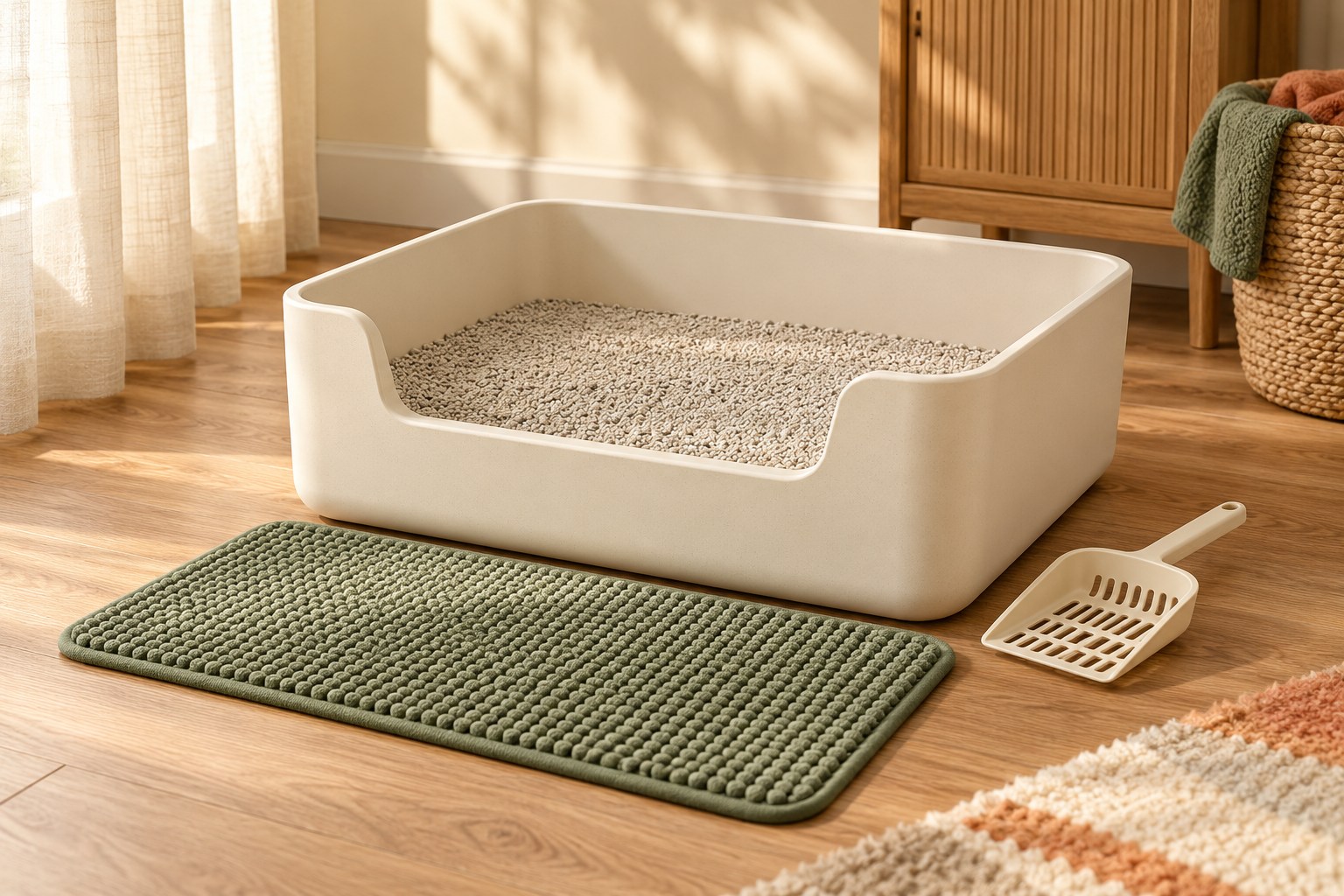
Explore the guideCompare sidewall height, doorway cutouts, interior floor area, and maintenance access when you need litter containment without making the entrance unnecessarily difficult for the cat.
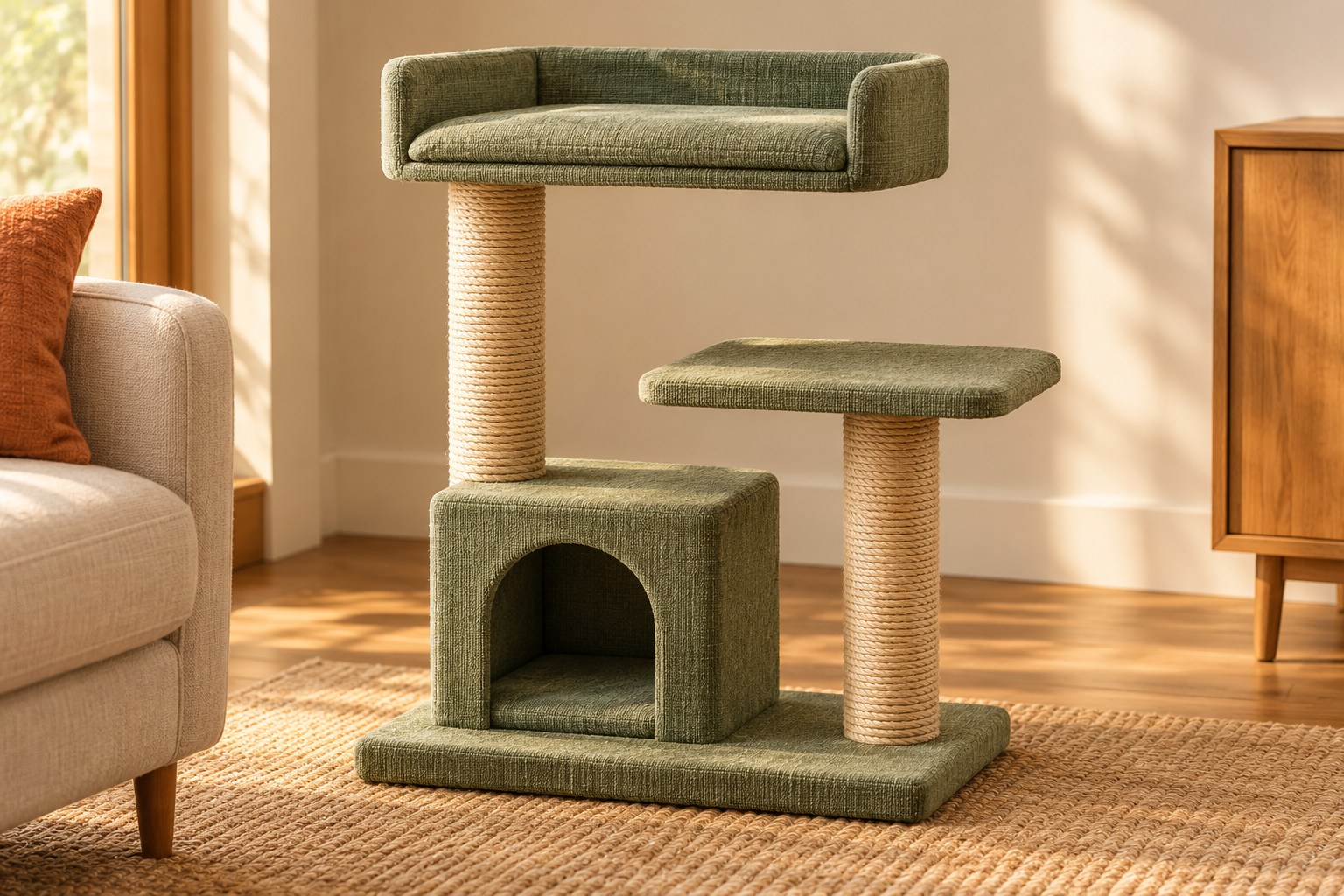
Explore the guideCheck post sizes, fastener compatibility, removable covers, refill availability, and repair instructions before choosing a cat tree intended to stay useful beyond its first worn component.
Explore the guideBalance floor footprint, upper-platform support, accessible steps, and useful scratching area when fitting a cat tree into a small room or an awkward living-space corner.
Explore the guideCompare mat texture, opening size, stable backing, emptying method, and placement so litter capture remains compatible with comfortable paw contact and easy access to the box.
Explore the guideCompare scoop openings, basket depth, leading edges, handle angles, and storage so routine scooping separates material effectively without making the wrist or the box corners work harder than necessary.
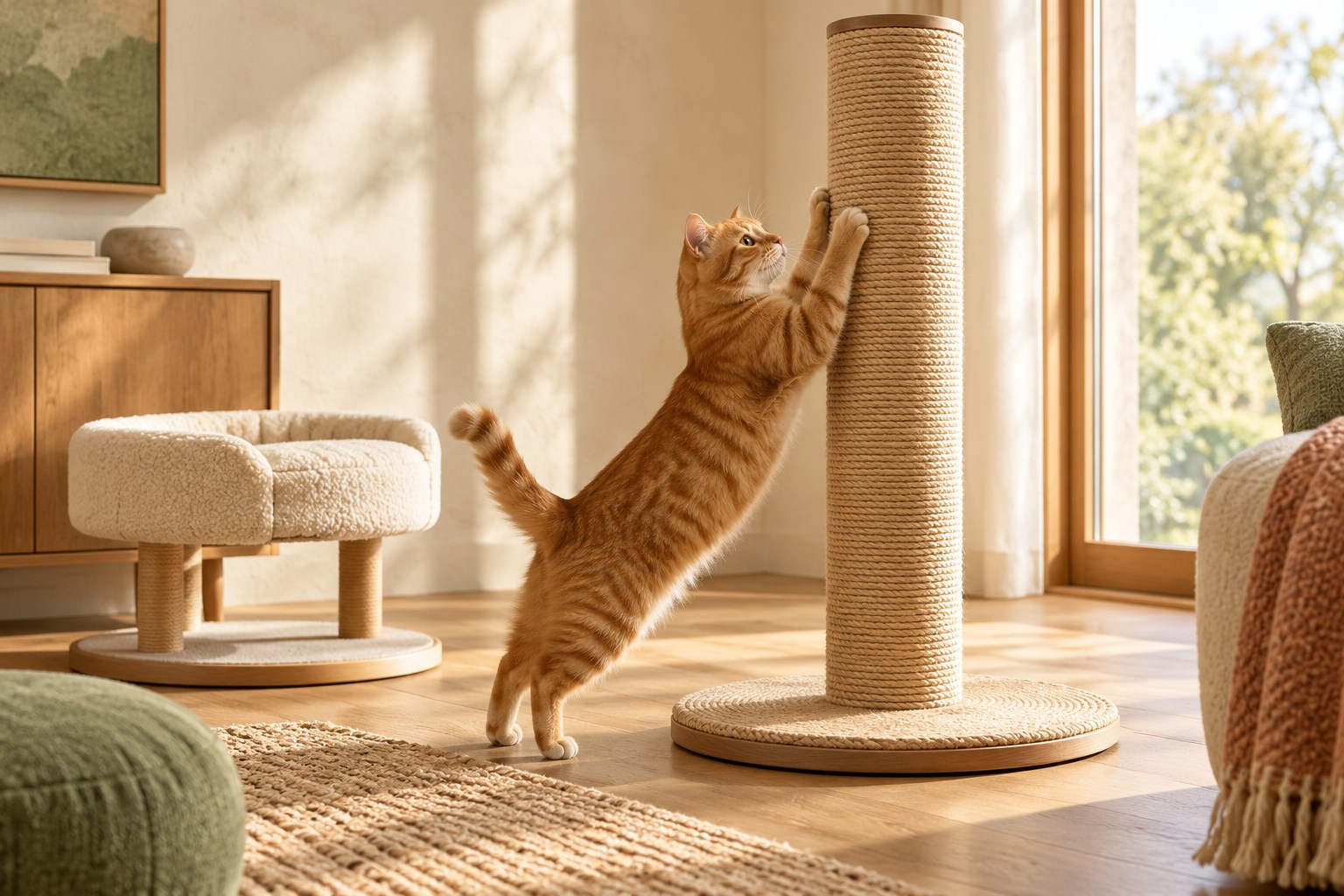
Explore the guideEvaluate scratching-post height, base geometry, surface attachment, and placement so a cat can stretch and pull against the post without a lightweight structure tipping or shuffling away.
Explore the guideCompare supported and suction-mounted window perches, usable platform area, inspection access, and surrounding hazards before creating a cat observation spot beside a closed secure window.
Explore the guideCompare platform spacing, alternate routes, sight lines, and exit options so a shared climbing structure offers usable space instead of creating a single elevated bottleneck.
Explore the guideCompare fitted covers, rigid corner guards, and adhesive sheets through material compatibility, secure attachment, edge condition, and the nearby scratching alternatives a cat still needs.
Explore the guideCompare step depth, ramp slope, traction, width, and landing space when adapting access to a familiar perch for a cat whose mobility or confidence has changed.
Explore the guideEvaluate liner fit, corner folds, claw resistance, attachment methods, and disposal before deciding whether a liner simplifies your box routine or adds material that shifts during digging.
Explore the guideCompare flat scratchers, trays, and broad pads through usable surface area, movement resistance, edge access, and replacement options for cats that scratch with their body close to the floor.
Explore the guideAssess stability, floor protection, full dimensions, assembly, and moving plans when choosing climbing furniture for a home where drilling or permanent wall alterations may be restricted.
Explore the guideDecode exterior measurements, tapered walls, hood clearance, doorway size, and scoop access so you can compare the space a cat actually uses rather than the size of the packaging.
Explore the guideExamine base footprint, post layout, cantilevered platforms, fasteners, and supported anchoring to assess how a cat tree will behave when a cat jumps onto its outer edges.
Explore the guideCompare gap-setting latches, door stops, opening direction, and removal methods when managing access between rooms without creating a pinching gap or trapping a cat on one side.
Explore the guideAssess reversible inserts, exact tray dimensions, cardboard construction, replacement availability, and disposal practicalities so a cardboard scratching system remains useful after its first surface wears down.
Explore the guideEvaluate interior dimensions, entry position, ventilation, observation, and maintenance access when comparing open and covered litter boxes for an individual cat and a particular location.
Explore the guidePlan scratching locations around daily routes, waking areas, existing furniture targets, and multi-cat access instead of hiding every surface in one corner with limited approach space.
Explore the guideAssess permissions, complete containment, structural installation, door routines, weather exposure, and supervision before choosing a balcony enclosure intended to provide controlled outdoor access for a cat.
Explore the guidePlan wall substrate, supported fixings, platform spacing, turning room, clear landing zones, and maintenance access before installing a cat-perch route that must carry repeated climbing movements.
Explore the guideLook at routes, exits, noise, maintenance access, and individual preferences when distributing litter resources so several boxes do not function as one easily blocked station.
Explore the guideLook beyond overall tower size to usable platform depth, opening dimensions, post spacing, and documented component limits when choosing climbing furniture for a broad or long-bodied cat.
Explore the guideCompare rope-wrapped and woven sisal surfaces through claw resistance, seam placement, attachment, wear patterns, and supported replacement methods while leaving room for each cat’s texture preference.
Explore the guideCompare clear opening size, installation height, tunnel depth, substrate compatibility, and locking controls before fitting a cat flap that needs to work for both the cat and the door.
Explore the guideExamine entry effort, turning space, lid traction, internal visibility, and scooping access before choosing a top-entry litter box primarily for its contained appearance or scatter-control potential.
Explore the guideEvaluate tunnel diameter, exit placement, structure, and location when a covered passage is intended to provide spatial choice rather than become another obstruction or a single dead-end hiding place.
Explore the guideEvaluate identification compatibility, direction control, registration, power behavior, installation requirements, and doorway interactions before using an electronic cat door to manage access between defined household spaces.
Explore the guideExamine ramp angle, bracing space, surface length, and base stability when a cat scratches on sloping furniture edges or alternates between horizontal and upright scratching.
Explore the guideA day-trip kit works best when each item has a clear purpose. Plan portions, water handling, clean and used storage, and a short packing check without overloading a simple outing.
Explore the guideFilter shape, replacement availability, and cleaning demands affect fountain ownership. Compare a year's consumables, verify exact compatibility, and avoid treating a filter as a substitute for washing the equipment.
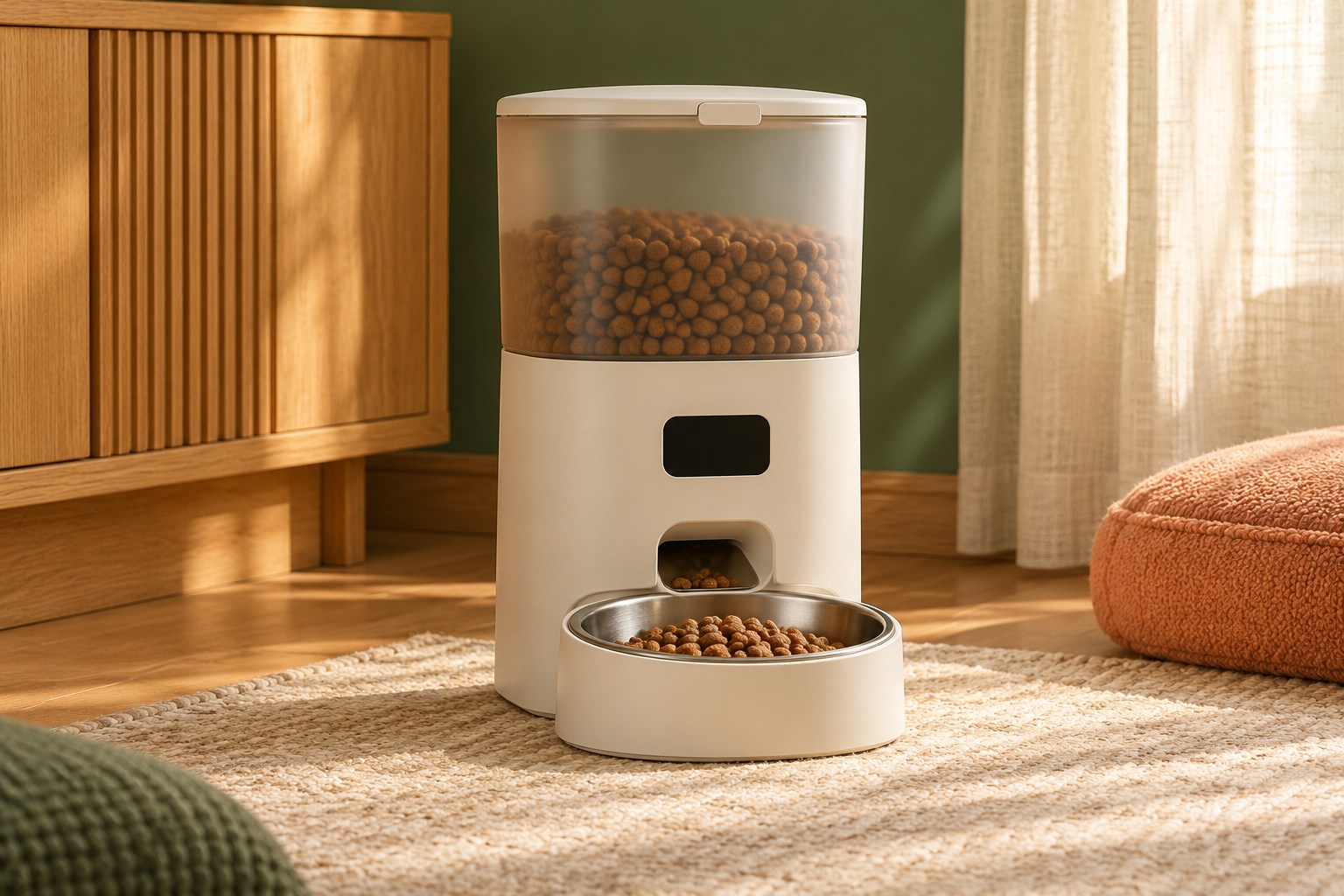
Explore the guideAutomatic feeder settings often represent motor steps rather than familiar serving measures. Learn a practical calibration method, account for variation, and record settings so the machine delivers the intended amount.
Explore the guideA feeder can contain the right amount of food and still run at the wrong time. Check clock format, recurring schedules, time changes, and reset behaviour before relying on automation.
Explore the guideA bowl stand organises a feeding area only when its inserts fit and the frame cleans easily. Compare rim support, removal clearance, floor stability, and replacement dimensions before buying a set.
Explore the guideCeramic bowls offer weight and visual warmth, but shape, glaze information, and condition determine their everyday usefulness. Compare practical construction details before choosing a decorative bowl for a feeding station.
Explore the guideCollapsible bowls save bag space, but fold geometry affects stability, cleaning, and carrying. Compare usable depth, opening stiffness, and drying access before choosing a travel bowl for everyday outings.
Explore the guideA useful bag clip matches package width and fold thickness. Compare closure length, hinges, grip, and cleaning so an inexpensive accessory supports orderly food storage instead of leaving corners open.
Explore the guideLick mats range from broad grooves to dense pockets. Compare texture, material flexibility, food-contact suitability, and supervised use to choose a pattern that remains accessible and easy to clean.
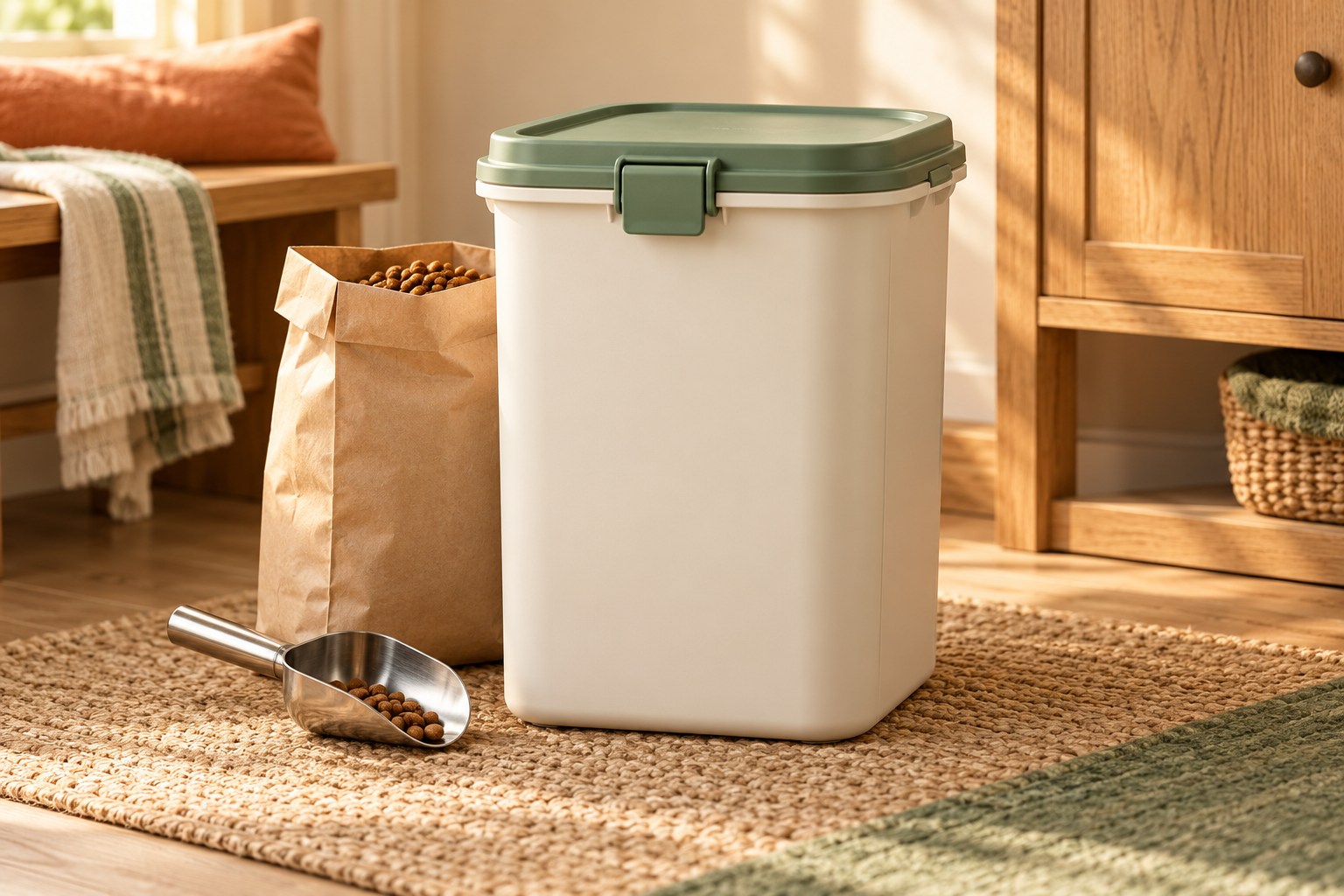
Explore the guideA storage container must fit packaging, shelves, lifting limits, and cleaning space. Measure the complete setup and compare usable openings before choosing a large bin based only on its advertised capacity.
Explore the guideA narrower bowl opening can change how ears meet the feeding area, but it also affects access and stability. Compare proportions, observe ordinary eating, and choose based on the complete setup.
Explore the guideAirtight claims reveal little about everyday opening and cleaning. Examine gasket access, latch pressure, lid alignment, and replacement options to choose a food container that closes predictably in your household.
Explore the guideA rotating tray handles scheduling differently from a hopper feeder. Compare compartment access, food-storage instructions, lid alignment, timer behaviour, and supervised trials before making it part of a feeding routine.
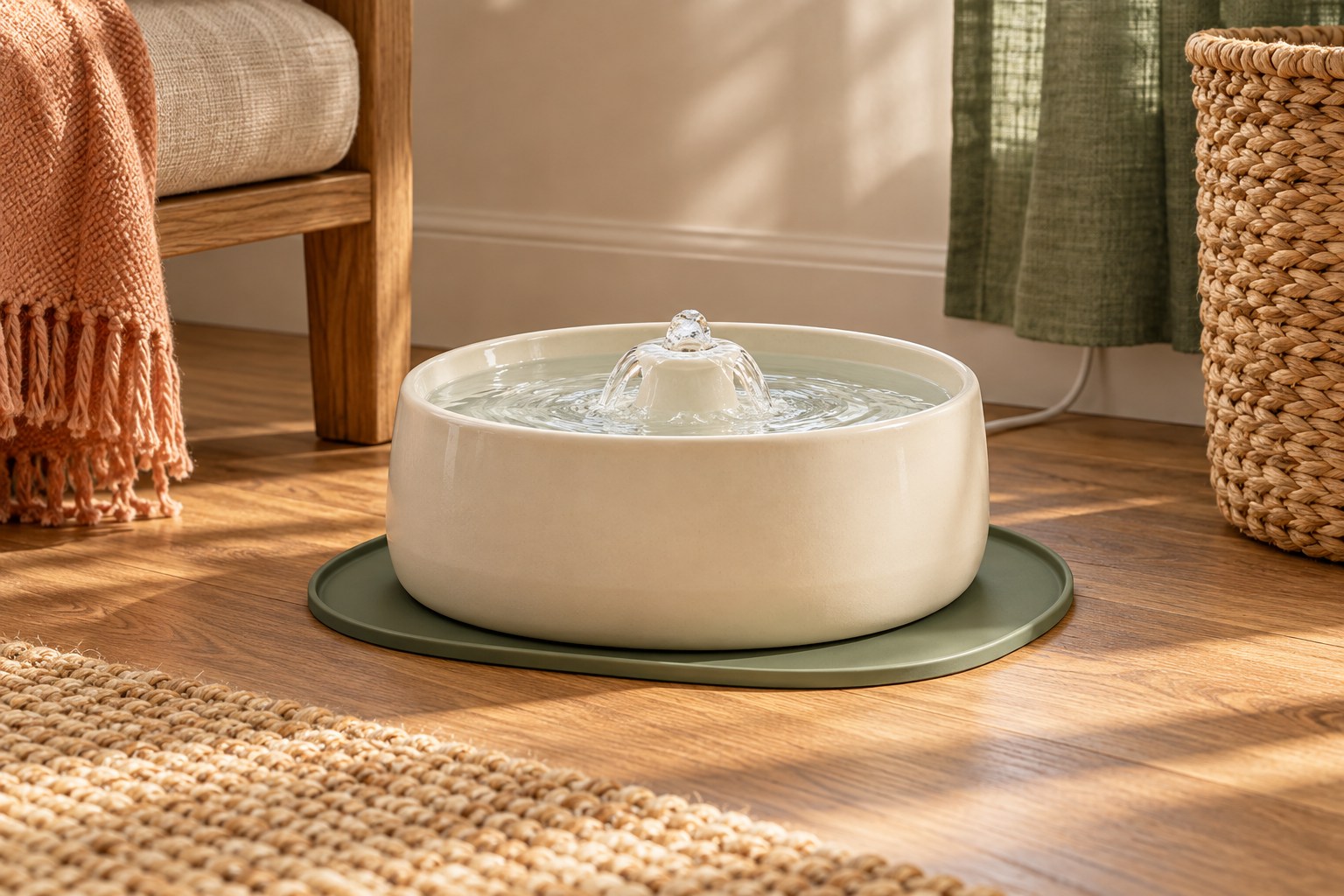
Explore the guideFountain placement affects access, splashes, sound, and cleaning. Test a location with a simple footprint template and plan the power cord before committing to a permanent water station in your home.
Explore the guideWide cat dishes differ in slope, depth, and usable feeding area. This guide explains how to compare shapes, contain scattered food, and observe your cat's access without relying on marketing labels.
Explore the guideThe underside of a suction-backed feeding mat needs attention too. Learn how surface fit, cup condition, careful release, and full drying affect the mat's everyday usability and maintenance.
Explore the guideFood dust gathers beyond the visible serving bowl. Learn how to assess hopper removal, dispensing parts, drying space, and reassembly so automatic feeder maintenance fits an ordinary household routine.
Explore the guideMatching capacity is not enough when replacing a bowl in a holder. Measure the support rim, body profile, depth, and lifting clearance to avoid a loose or incorrectly seated insert.
Explore the guideOne automatic feeder does not guarantee equal access for several animals. Evaluate bowl position, identification features, visibility, and supervision to build a feeding arrangement that can be checked reliably.
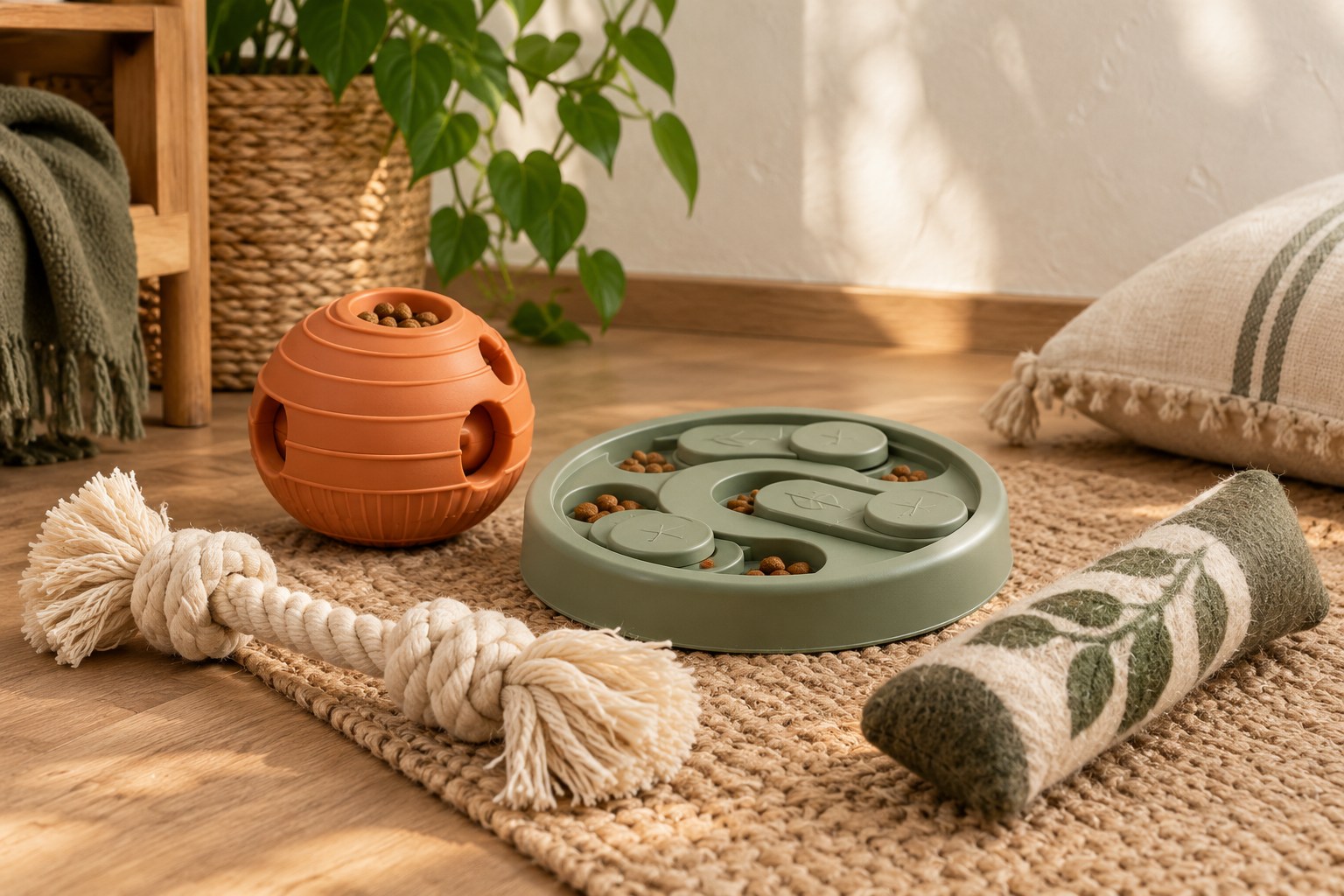
Explore the guideRidges and mazes change how food moves through a bowl. Compare channel width, obstacle height, portion fit, and washing access to choose a slow feeder that offers manageable interaction.
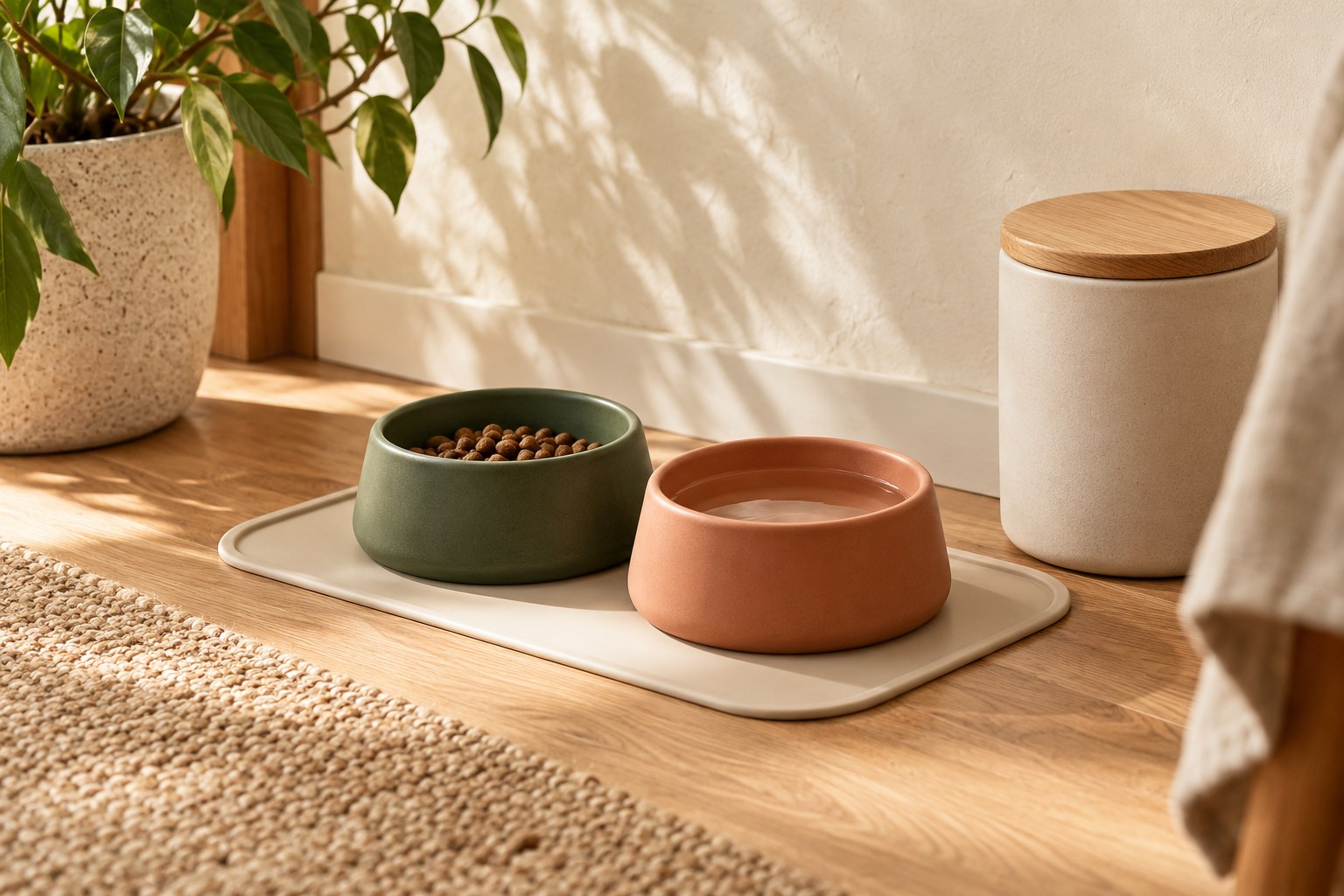
Explore the guideA feeding mat should catch ordinary spills without becoming a bulky obstacle. Map bowl movement, water drips, and walking space to choose a useful size, edge, and cleaning routine.
Explore the guideA water fountain's pump needs more attention than its visible basin. Examine disassembly, small cavities, cable routing, and replacement availability before choosing a fountain for everyday use at home.
Explore the guideA stainless-steel bowl can look straightforward while hiding awkward rims, unstable feet, or difficult seams. Learn which construction details matter when choosing a bowl for daily washing and use.
Explore the guideBattery backup can preserve some feeder functions while leaving others unavailable. Read the operating modes, test permitted power transitions, and build a practical checking routine around the exact model.
Explore the guideFloating plates and inward-facing rims manage water differently. Compare access, refill handling, removable parts, and spill routes to find a splash-resistant bowl that suits a particular room or journey.
Explore the guideA gravity dispenser works without a powered pump, but its reservoir opening, valve, balance, and cleaning access matter. Learn how to evaluate the complete design and plan manageable refills.
Explore the guideScoops are useful transfer tools, but shape and filling technique affect the amount they hold. Compare handles, markings, and storage habits, then establish a repeatable method for your intended serving.
Explore the guideToy storage should help you see condition, identify parts, and control access. Build a simple system for ready toys, supervised equipment, cleaning, and retirement without hiding everything in one deep basket.
Explore the guideOpening size changes how a rolling dispenser releases food, but it also affects frustration, floor movement, and cleanup. Learn to test the mechanism with the actual contents before supervised play.
Explore the guideA useful rotation offers different kinds of play rather than many nearly identical objects. Sort toys by action, inspect condition, and use observations to decide what deserves a place in the next selection.
Explore the guideSpring-style toys create unpredictable rolling and bouncing, but size, flexibility, damage, and storage matter. Learn what to inspect and why household springs or improvised coils are unsuitable substitutes.
Explore the guideBall tracks differ in slot size, assembly, ball retention, and cleaning access. Compare the complete pathway and the cat's observed interaction before choosing a circular, layered, or modular track toy.
Explore the guideA cat wand is shared play equipment with strings and small attachments. Compare reach, lure movement, connectors, and storage so a supervised session is easy to control and ends with every part put away.
Explore the guideA fetch ball must suit the animal's mouth and the play setting. Compare intended sizing, compressibility, surface grip, and visibility instead of choosing solely by launcher compatibility or colour.
Explore the guideSnuffle mats vary from loose fabric strips to tightly packed pockets. Compare search depth, material attachment, backing, and washing access to select an activity that can be supervised and reset easily.
Explore the guideA squeaker changes a toy's sound and internal construction. Compare access to the sound component, outer durability, noise control, and supervision needs before adding one to a pet's play collection.
Explore the guideShared space does not mean every cat uses a toy comfortably. Plan sightlines, approach routes, duplicate equipment, and supervised turns so play choices reflect individual access rather than a single busy station.
Explore the guideA kicker toy offers a different grip from a small batting toy. Compare length, body flexibility, seam placement, filling, and washing requirements to choose a supervised object that is easy to inspect.
Explore the guideHandle shape and stretch change the way a tug toy feels and moves. Compare grip security, elastic recoil, joins, and washing requirements before selecting an accessory for supervised interactive play.
Explore the guideA weighted wobble toy combines balance and food release. Compare base curvature, reset behaviour, opening position, and disassembly to choose a design whose movement stays understandable and manageable during supervised use.
Explore the guideRound balls, elongated shapes, and irregular toys move differently after a bat. Compare travel, visibility, noise, and construction to choose a manageable object for the floor and space you have.
Explore the guideA rubber toy can retain its overall shape while developing damage around openings or joins. Build a clear inspection routine and distinguish intended flexibility from changes that call for replacement.
Explore the guideA cat food puzzle should begin with reachable rewards and an understandable action. Compare access, stability, and cleaning, then progress from open wells using observations of the individual cat.
Explore the guideIndoor retrieval depends more on layout than throwing distance. Map the floor, choose a suitable soft toy, and control the landing area so a short supervised game remains manageable at home.
Explore the guideA travel play kit should fit the destination, available space, and supervision. Choose familiar, inspectable equipment, keep small parts contained, and plan cleanup instead of packing the whole toy collection.
Explore the guidePlush toys differ in seams, stuffing, appendages, and hidden components. Examine the whole construction and the animal's play style to choose a soft toy that can be supervised and inspected clearly.
Explore the guideSurface material affects bounce, grip, dirt collection, and washing. Compare three common ball constructions by their actual intended use and inspect the complete toy rather than relying on a material name.
Explore the guideA flying disc's rim, flexibility, and flight pattern affect how it is used. Compare pet-specific designs, practise manageable throws, and choose a clear play space before adding distance or speed.
Explore the guideA first puzzle session should reveal how a pet approaches a new object. Choose accessible mechanics, introduce one change at a time, and use observation rather than difficulty labels to guide progression.
Explore the guideA tug toy needs room for both the animal's grip and the person's hands. Compare length, thickness, flexibility, and construction to choose equipment that supports controlled, supervised shared play.
Explore the guidePuzzle mechanisms ask for different movements and create different cleaning demands. Compare sliding clearance, hinge resistance, detachable parts, and reset effort before selecting the next interactive toy for your pet.
Explore the guideTwo toys that look similar may have different internal materials and care limits. Build a cleaning routine around labels, disassembly, food paths, fabric layers, and complete drying rather than a single universal method.
Explore the guideA compact room needs a measured bed layout rather than a smaller bed by default. Explore corner placement, under-desk spaces, storage access, and shapes that preserve usable resting dimensions.
Explore the guideRaised sides change a bed's usable area, entry route, and cleaning workload. Compare partial bolsters, continuous rims, and removable inserts with the way your pet chooses to settle.
Explore the guideAn enclosed bed can create a sheltered resting space without becoming difficult to enter or clean. Compare entrance shape, internal height, removable cushions, and where a cave bed belongs indoors.
Explore the guideA bed fits when its usable sleeping area matches the way a dog actually rests. Learn to measure stretched sleepers, curled sleepers, and dogs that change position throughout the night.
Explore the guideHair behaves differently on smooth woven covers, textured fabrics, and long pile. Compare surface structure and cleaning access to choose a bed that stays manageable between full laundry cycles.
Explore the guideA second resting spot can solve a location problem better than a larger first bed. Decide where it belongs by following household activity, cleaning needs, and each pet's established sleeping choices.
Explore the guideCooling products use different materials and need different care. Examine ventilation, puncture exposure, cleaning, and placement while treating a mat as an optional resting surface rather than heat protection.
Explore the guideA crate mat should lie flat inside the usable floor, leaving doors and tray edges clear. Learn to compare measurements, thickness, grip, and washable construction before ordering a replacement.
Explore the guideA flat mattress offers open edges and flexible sleeping positions. Learn how to assess platform size, corner strength, floor grip, and cover tension without relying on vague comfort labels.
Explore the guideThe filling determines how a bed compresses, moves, and recovers after use. Compare solid foam, loose fiber, and layered inserts while keeping cleaning and replacement needs in view.
Explore the guideA low entrance can make a bed more approachable, but the edge, floor grip, and surrounding space matter too. Evaluate access as a complete movement from floor to resting platform.
Explore the guideModular beds separate covers, center pads, side cushions, and sometimes frames. Evaluate genuine replacement availability, assembly effort, and part prices before paying more for a long-lived system.
Explore the guideA bed can move because of its cover, insert, backing, or location. Learn to diagnose sliding and choose a base that grips clean flooring without creating a difficult maintenance layer.
Explore the guideBlanket construction affects warmth, hair release, drying, and how securely the layer stays on a bed. Compare three common formats according to the room and the pet's sleeping behavior.
Explore the guideA roll-up mat can define a familiar resting space away from home. Compare packed size, floor grip, edge curl, and cleaning needs without expecting a thin portable layer to replace a substantial bed.
Explore the guideA raised cot creates a suspended sleeping platform with space beneath it. Compare fabric tension, frame stability, entry height, and replaceable parts for a product that fits its intended location.
Explore the guideA spare cover can keep a favorite bed in service, but length and width alone are not enough. Match insert thickness, corner shape, bolster channels, zipper layout, and care requirements.
Explore the guideRound beds create a central nest, but filling depth and edge behavior vary widely. Understand usable diameter, washable construction, and the difference between a cozy shape and an unsupported comfort claim.
Explore the guideSimple changes to covers, blankets, and location can adjust a pet's resting choices through the year. Compare layers and surfaces while avoiding overheated corners, unstable piles, and one-size-fits-all assumptions.
Explore the guideA liner can reduce how often a bed insert becomes soiled, but seams and openings still matter. Compare placement, coverage, noise, and washing instructions to build a practical layered bed.
Explore the guideA protective throw needs more than a coated middle panel. Plan coverage around seat edges, back cushions, and armrests, then assess seams, grip, laundering, and how the pet reaches its resting spot.
Explore the guideMachine washable can describe a small cover or an entire bulky bed. Examine zippers, filling compartments, drying instructions, and spare covers to choose a cleaning system that works in your home.
Explore the guideA practical home setup can use a suitable low stable area and well-organized supplies. Plan footing, light, tool access, cleanup, and handling boundaries before investing in large specialist equipment.
Explore the guideA compact cat grooming kit should serve a clear routine without accumulating forceful tools. Choose manageable brush and comb shapes, a stable setup, and simple cleaning storage with qualified technique guidance.
Explore the guideSeparate the first dirty cleanup from the cleaner finishing stage with two clearly assigned towels. Plan sizes, storage, floor protection, and laundering so the routine remains manageable after an ordinary wet outing.
Explore the guideBristle density, length, and flexibility influence how a finishing brush moves across a coat. Understand what this simple tool can do, where it falls short, and how to keep its base clean.
Explore the guideA drying zone should protect the floor without becoming an unstable pile of wet textiles. Compare absorbent mats, removable towels, backing compatibility, and laundry rotation around the route out of the bath.
Explore the guideA comb's tooth spacing changes how it engages with a coat. Compare coarse, fine, and combination layouts alongside tooth finish, handle control, and the limits of routine home grooming.
Explore the guideHandle shape can change grip pressure, wrist position, and cleaning effort. Compare palm tools, straight handles, and offset shapes according to the task and the person using the equipment.
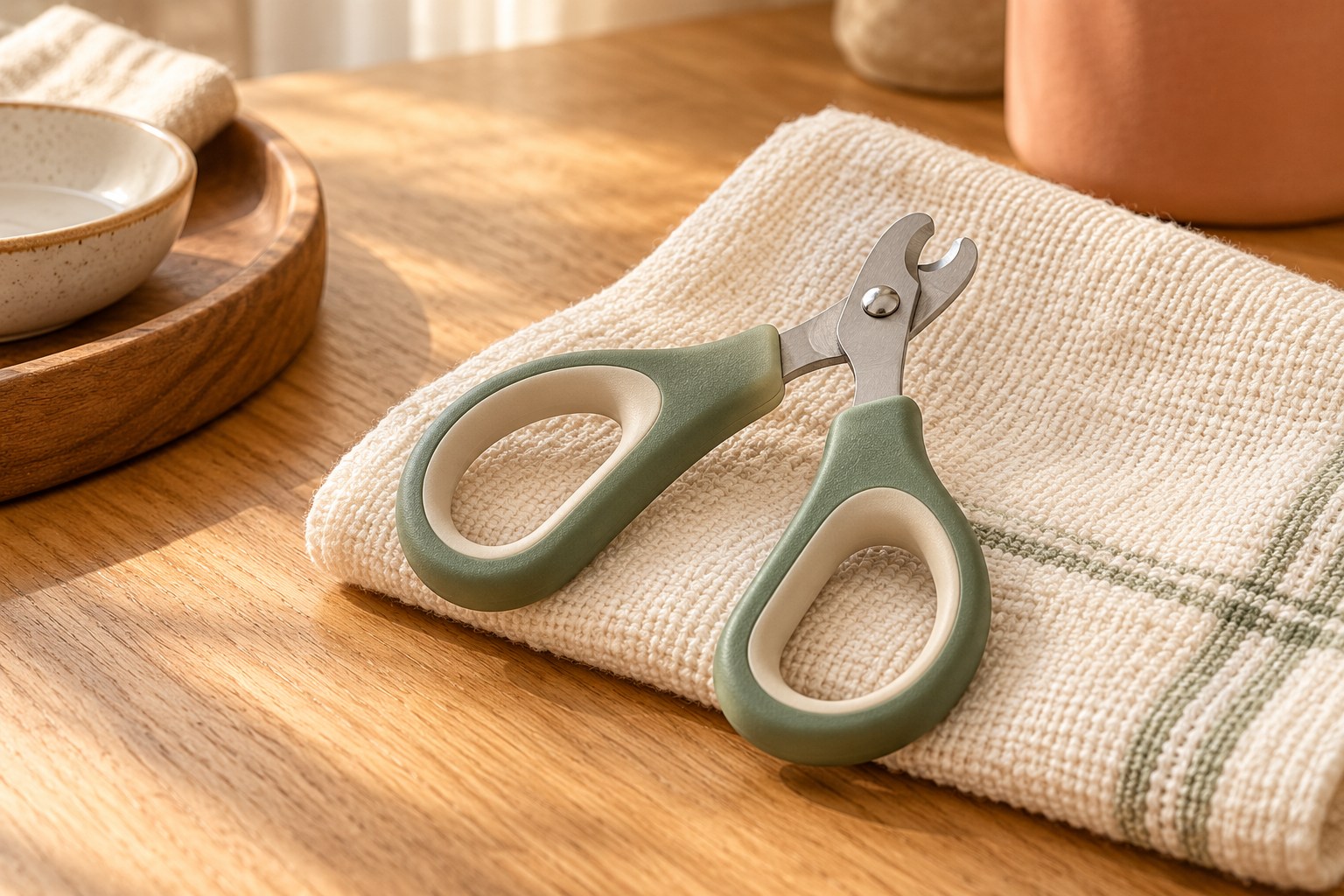
Explore the guideA guillotine clipper uses a moving blade across an opening. Examine aperture size, visibility, blade availability, and storage before deciding whether this format suits your instructed nail-care routine.
Explore the guideMaterial influences weight, rigidity, and cleaning, but it does not establish quality alone. Compare comb teeth, molding or joins, grip, and storage to find a controllable tool for the intended routine.
Explore the guideA drying towel must also be easy to unfold, handle, wash, and dry. Compare pile, weight, edges, and practical size instead of choosing by an unqualified absorbency claim alone.
Explore the guideA grooming mat needs secure contact with its actual surface, manageable drainage, and complete drying afterward. Compare suction, texture, shape, and cleaning access without treating a mat as a restraint.
Explore the guideA grinder changes the nail-care tool but still requires technique and cooperation. Examine sound, vibration, working-head access, charging, and cleaning before deciding whether it belongs in your pet's routine.
Explore the guideHand pockets can keep a drying towel positioned, but they also change bulk and drying time. Compare pocket placement, fit, seam strength, and cleaning access before choosing a mitt-style product.
Explore the guideA pin brush can offer a different feel from a dense slicker. Examine pin mounting, cushion movement, head dimensions, and cleaning access to choose a manageable tool for routine coat care.
Explore the guideFlexible rubber nubs create a different grooming contact from metal pins. Compare nub shape, hand straps, surface grip, and cleaning needs while keeping pressure and skin comfort central to the choice.
Explore the guideNail clipper control depends on head size, visibility, blade alignment, and comfortable handling. Compare scissor-style designs as equipment while getting individual trimming instruction from a veterinarian or qualified groomer.
Explore the guideA retracting-pin or ejector plate can make hair removal easier, but moving parts add care requirements. Compare the mechanism, pin condition, cleaning access, and grip before choosing convenience features.
Explore the guideSlicker brushes vary in pin length, spacing, flexibility, and head shape. Compare those details with coat structure and handling needs, while recognizing when a grooming task belongs with a professional.
Explore the guideA compact storage system keeps sharp tools, spare heads, and instructions accessible without mixing them with damp towels. Organize nail-care equipment around inspection, safe handling, and a clear setup routine.
Explore the guidePlan a compact cleanup kit around the surfaces you actually use: carrier, seat cover, paws, and floor. Choose compatible supplies, separate used textiles, and keep the kit secured during travel.
Explore the guideA flat bench liner can protect a car seat without a hammock panel. Compare contour, belt access, backing, edge coverage, and removal so the liner works with the vehicle's required safety equipment.
Explore the guideA crate's dimensions, door location, and attachment method must work together in the actual vehicle. Separate ordinary containment from documented restraint performance before planning a travel setup.
Explore the guideA carrier can fit a transport space yet be unsuitable for the animal inside. Build two measurement checks for usable interior, external footprint, openings, and any specific journey requirements.
Explore the guideCarrier floors, mesh borders, closures, and removable pads need different attention. Follow a complete clean-and-dry sequence that protects structural parts and leaves the enclosure ready for its next use.
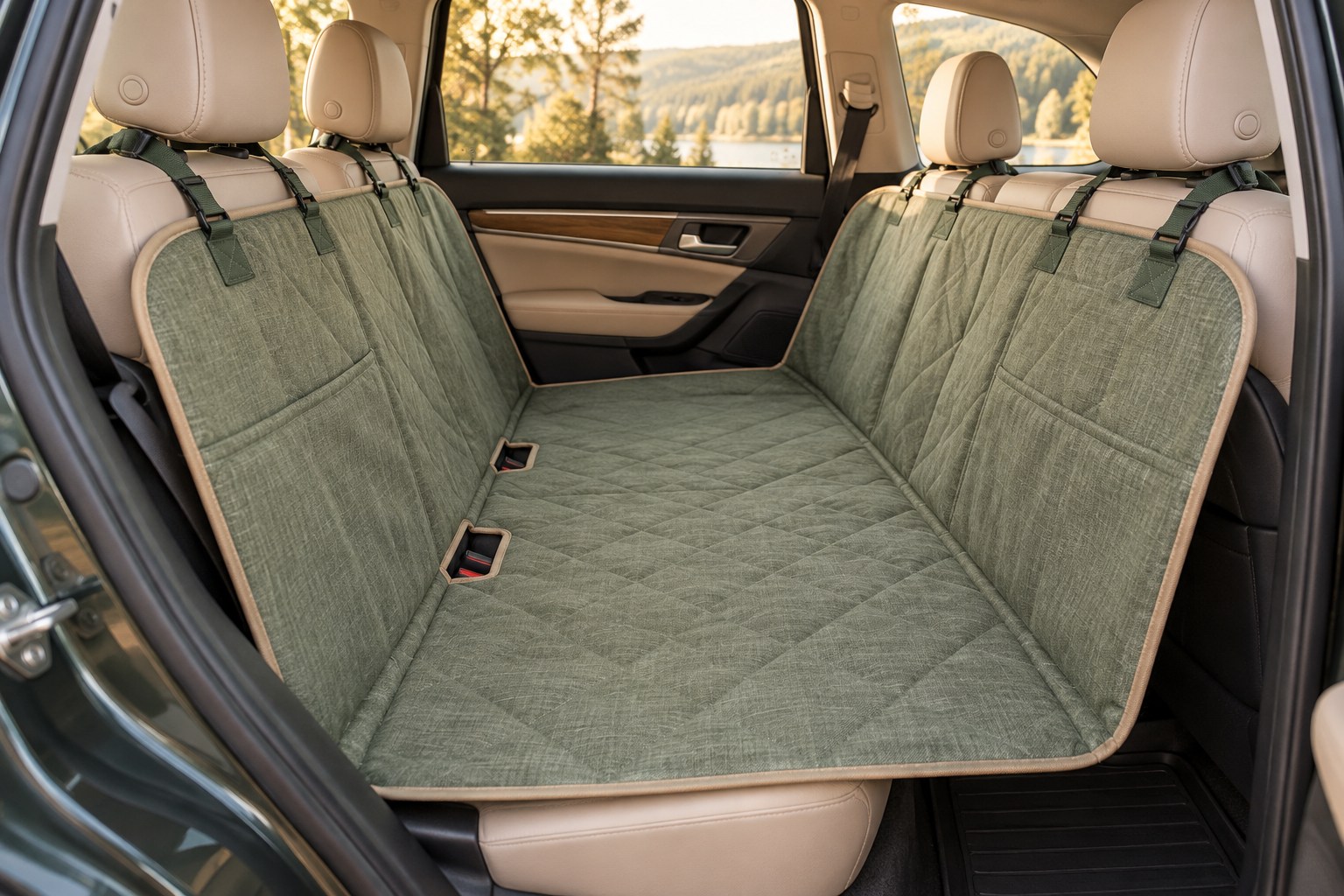
Explore the guideA hammock-style seat cover can protect upholstery and bridge a seat gap, but it does not establish crash protection. Compare fit, openings, anchors, door coverage, and compatibility with the actual restraint setup.
Explore the guideFolding and telescoping ramps reduce storage length in different ways. Evaluate joint security, overlap, packed bulk, weight, handling, and cleaning according to the vehicle and the person deploying the ramp.
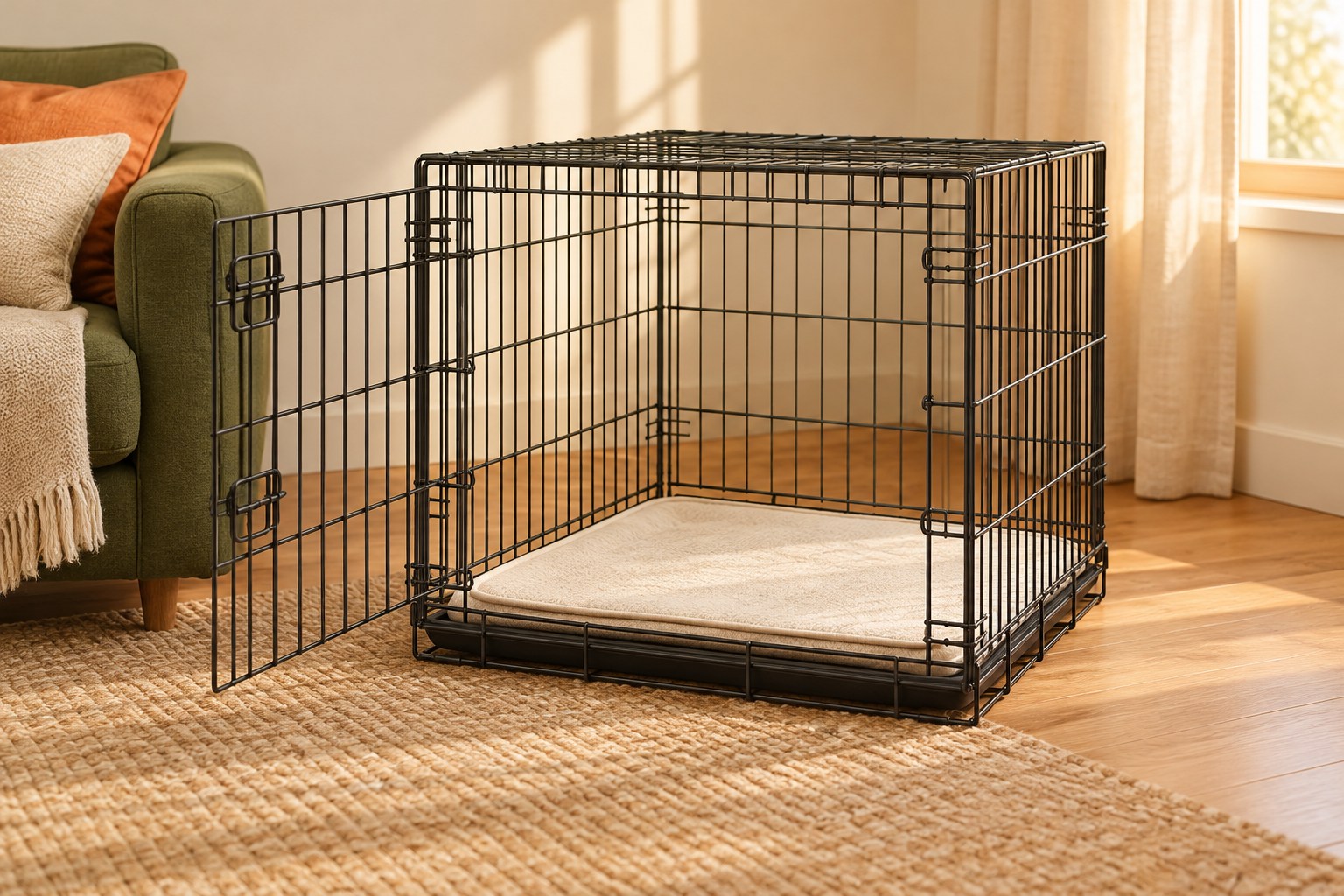
Explore the guideA folding crate saves storage space but depends on hinges, latches, and a correctly assembled frame. Compare its intended setting, setup effort, floor design, and cleaning before using it away from home.
Explore the guideA hard carrier offers a defined shell, but door hardware, top attachment, ventilation, and cleaning access vary. Evaluate the entire enclosure and its carrying instructions for the pet and journey involved.
Explore the guideRestraint products need more scrutiny than comfort accessories. Check exact-model evidence, sizing, installation, vehicle compatibility, and the effect of added connections before relying on a harness, crate, or carrier for car travel.
Explore the guideAn enclosure is easier to evaluate when it is available before a rushed journey. Plan voluntary familiarization, stable placement, ordinary inspection, and manageable practice without claiming that equipment alone changes behavior.
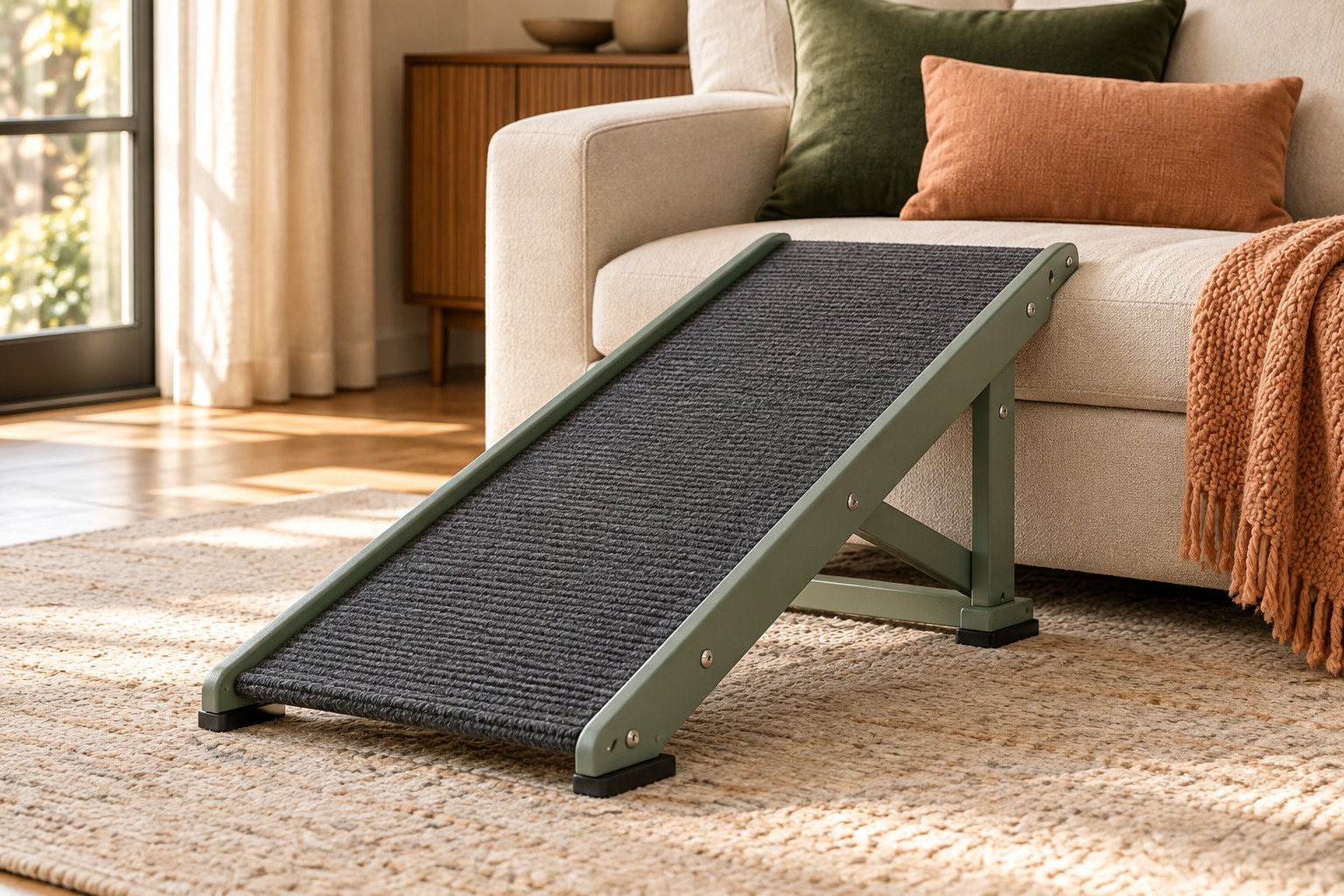
Explore the guideA ramp's slope depends on the actual rise and available ground space. Measure the vehicle threshold, landing area, ramp contact, and usable width before comparing portable designs.
Explore the guideA travel bag works better when essential items are reachable without unpacking everything. Organize documents, clean textiles, waste supplies, and spare equipment around loading, stops, arrival, and the return journey.
Explore the guideA carrier backpack changes load balance and ventilation when worn. Compare internal posture, base stability, mesh placement, access, and the handler's fit while avoiding unsupported assumptions about long-duration use.
Explore the guideA ramp's grip depends on more than the upper walking panel. Compare surface texture, replaceable traction, lower feet, upper contact, and cleaning so the complete setup remains predictable.
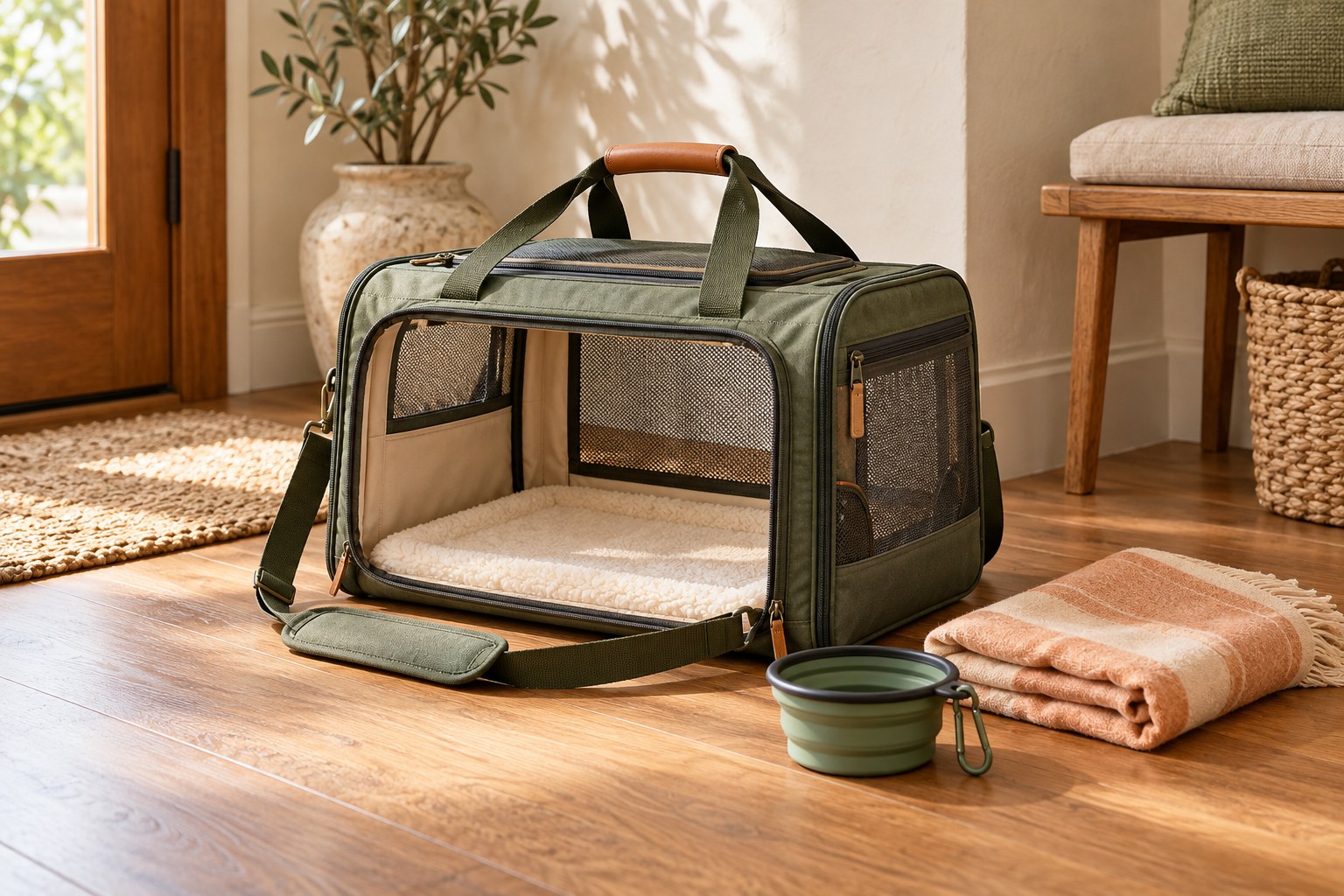
Explore the guideA soft carrier needs a stable floor, secure openings, usable ventilation, and manageable carrying geometry. Compare its loaded shape and cleaning system instead of judging only the attractive empty bag.
Explore the guideA small station can hold the few supplies needed for routine hair and dirt cleanup. Plan a stable location, separate used textiles, surface-compatible tools, and a quick reset without filling the room with equipment.
Explore the guideA runner can protect a frequently used indoor route, but backing and edge behavior matter as much as absorbency. Plan coverage, floor compatibility, cleaning access, and the movement of doors and furniture.
Explore the guideA freestanding divider can organize a supervised space, but it has different limits from a fixed gate. Compare base footprint, panel angles, stability, pet behavior, and storage before choosing it.
Explore the guideTargeted panels can cover a sofa arm or chair edge without wrapping the whole piece. Compare attachment, upholstery compatibility, edge finish, and the difference between surface protection and behavior management.
Explore the guideA fixed gate depends on suitable structure and the correct installation parts. Compare mounting surfaces, opening direction, threshold, pet fit, and household traffic before committing to holes in the wall.
Explore the guideStorage works best when clean textiles, grooming tools, and outdoor accessories have clear homes. Compare bin dimensions, ventilation, washable interiors, lid access, and safe placement before buying a matching set.
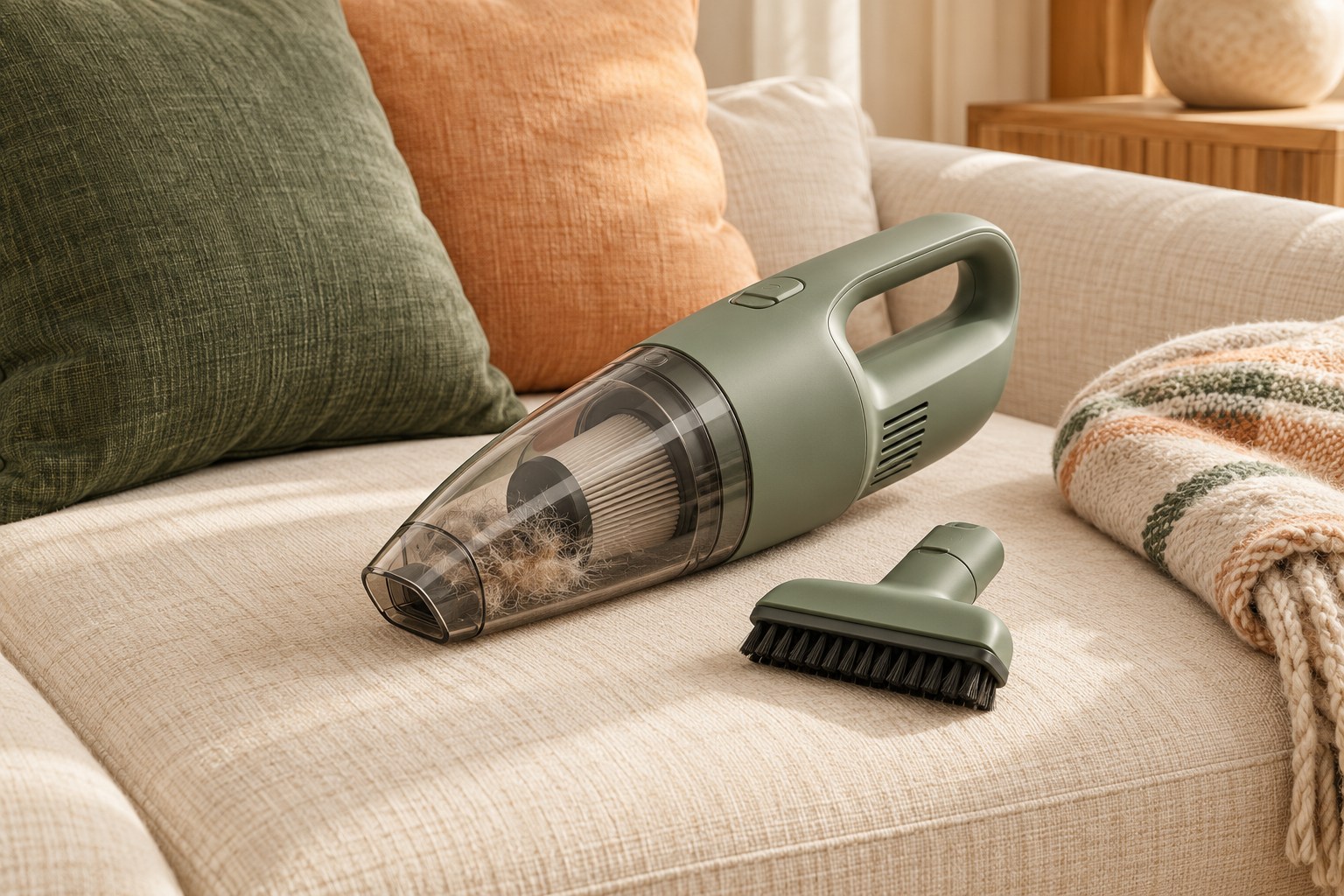
Explore the guideA useful attachment needs genuine machine compatibility and an appropriate cleaning head. Compare powered and passive tools, brush access, hose reach, and maintenance without relying on a pet-hair label alone.
Explore the guideA pressure gate depends on a compatible opening and correctly adjusted contact. Compare doorway geometry, threshold, extension limits, latch use, and the animal's behavior before choosing this removable format.
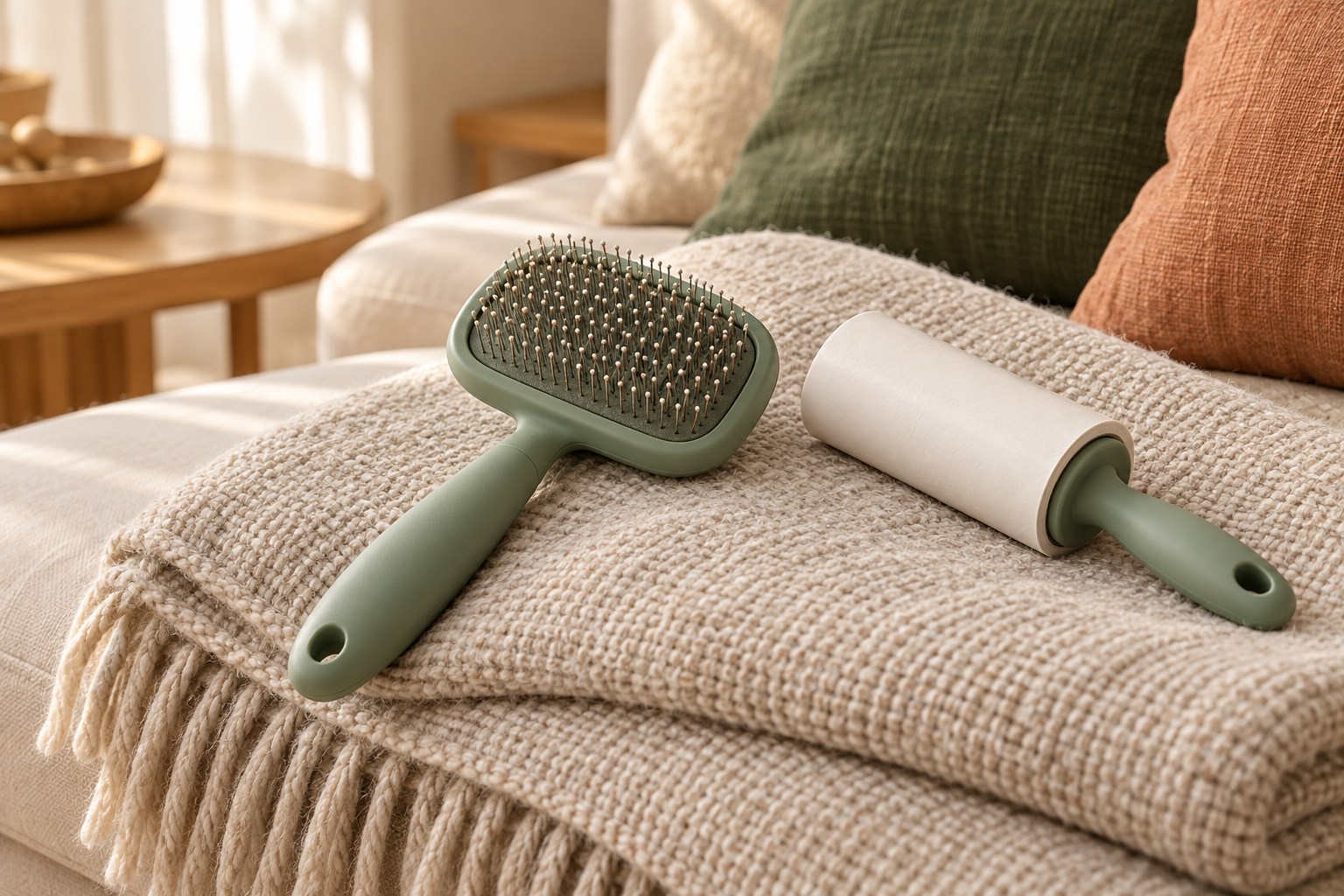
Explore the guideA reusable roller can reduce disposable sheets, but its mechanism still needs cleaning. Compare working direction, collection capacity, seams, handles, and textile suitability before choosing one for pet hair.
Explore the guideA rubber hair-removal tool works through surface contact, so textile compatibility and controlled pressure matter. Compare blade shape, flexibility, handle reach, and cleaning before using one across household furniture.
Explore the guide