 GUIDE 089
A Little Play
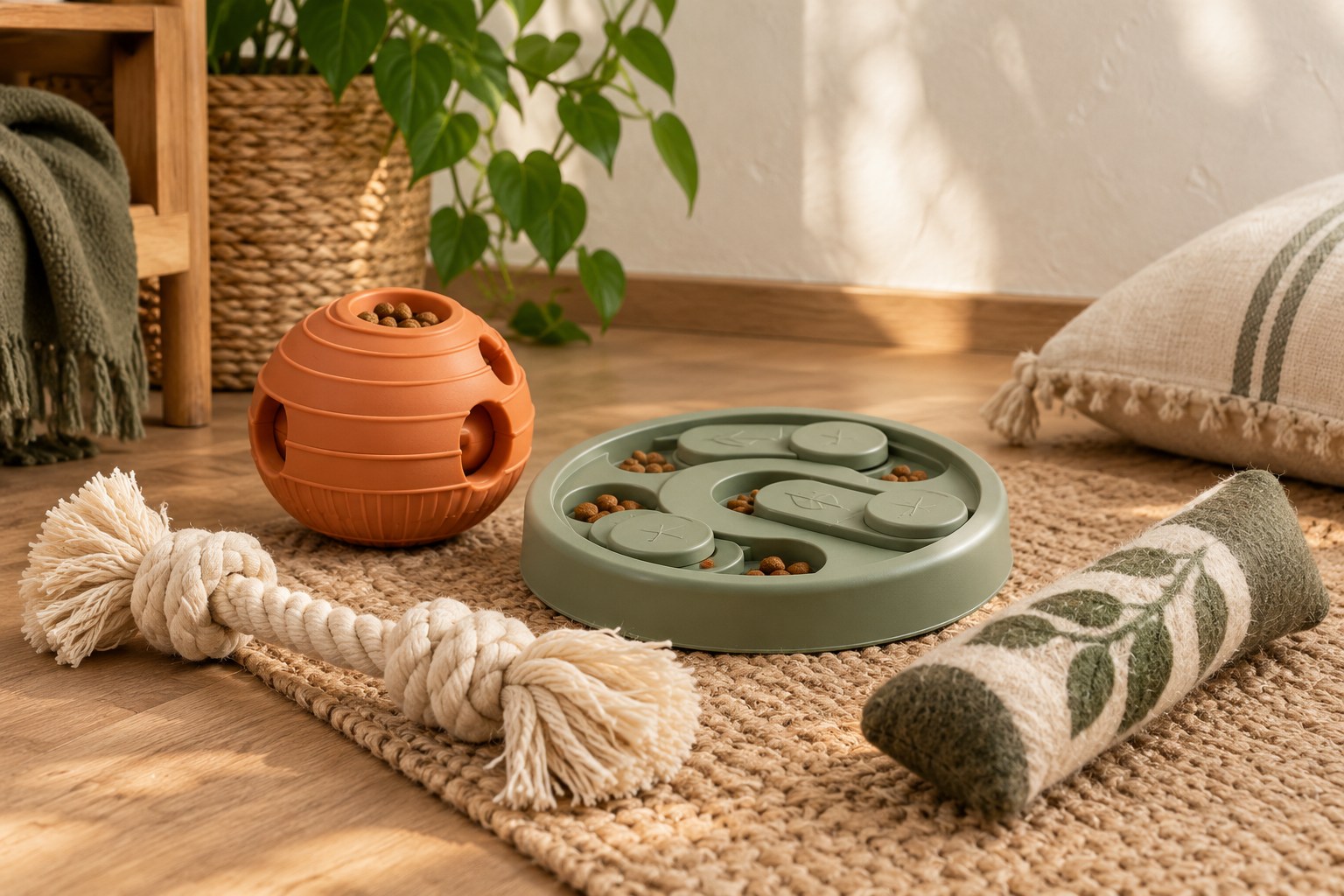
Toy storage should help you see condition, identify parts, and control access. Build a simple system for ready toys, supervised equipment, cleaning, and retirement without hiding everything in one deep basket.
 GUIDE 090
A Little Play
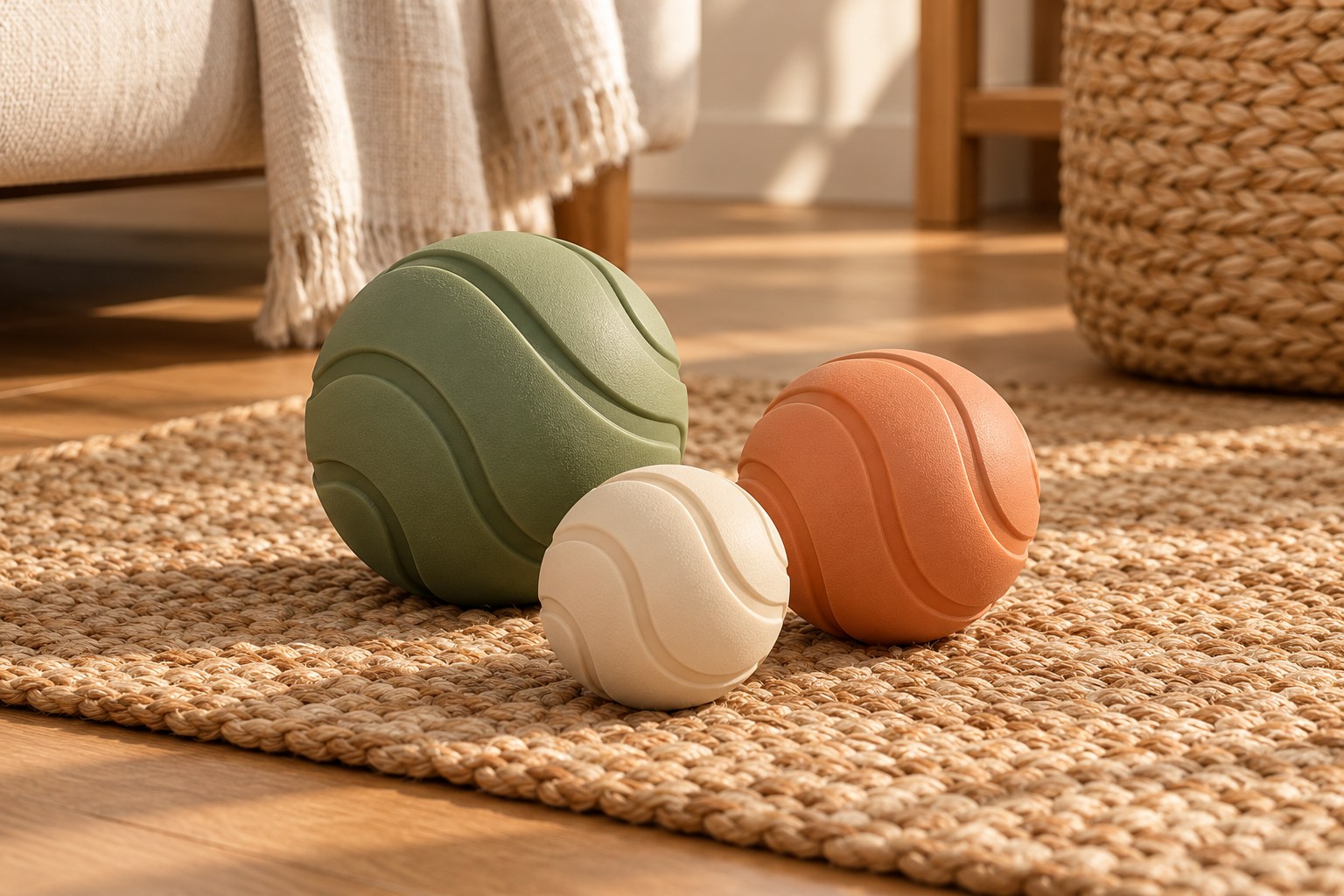
Opening size changes how a rolling dispenser releases food, but it also affects frustration, floor movement, and cleanup. Learn to test the mechanism with the actual contents before supervised play.
GUIDE 091
A Little Play
A useful rotation offers different kinds of play rather than many nearly identical objects. Sort toys by action, inspect condition, and use observations to decide what deserves a place in the next selection.
GUIDE 092
A Little Play
Spring-style toys create unpredictable rolling and bouncing, but size, flexibility, damage, and storage matter. Learn what to inspect and why household springs or improvised coils are unsuitable substitutes.
GUIDE 093
A Little Play
Ball tracks differ in slot size, assembly, ball retention, and cleaning access. Compare the complete pathway and the cat's observed interaction before choosing a circular, layered, or modular track toy.
 GUIDE 094
A Little Play
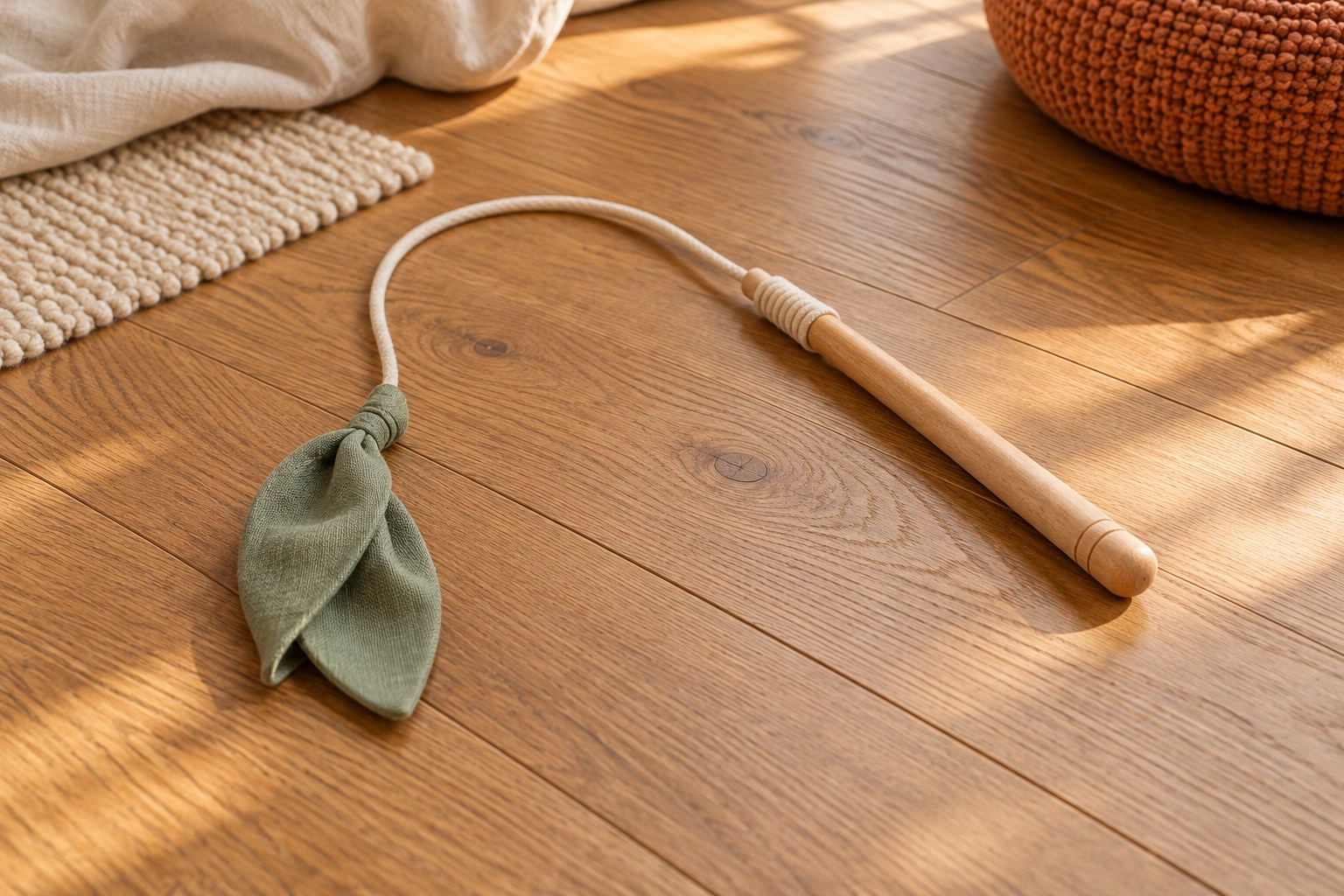
A cat wand is shared play equipment with strings and small attachments. Compare reach, lure movement, connectors, and storage so a supervised session is easy to control and ends with every part put away.
GUIDE 095
A Little Play
A fetch ball must suit the animal's mouth and the play setting. Compare intended sizing, compressibility, surface grip, and visibility instead of choosing solely by launcher compatibility or colour.
GUIDE 096
A Little Play
Snuffle mats vary from loose fabric strips to tightly packed pockets. Compare search depth, material attachment, backing, and washing access to select an activity that can be supervised and reset easily.
GUIDE 097
A Little Play
A squeaker changes a toy's sound and internal construction. Compare access to the sound component, outer durability, noise control, and supervision needs before adding one to a pet's play collection.
GUIDE 098
A Little Play
Shared space does not mean every cat uses a toy comfortably. Plan sightlines, approach routes, duplicate equipment, and supervised turns so play choices reflect individual access rather than a single busy station.
GUIDE 099
A Little Play
A kicker toy offers a different grip from a small batting toy. Compare length, body flexibility, seam placement, filling, and washing requirements to choose a supervised object that is easy to inspect.
GUIDE 100
A Little Play
Handle shape and stretch change the way a tug toy feels and moves. Compare grip security, elastic recoil, joins, and washing requirements before selecting an accessory for supervised interactive play.
GUIDE 101
A Little Play
A weighted wobble toy combines balance and food release. Compare base curvature, reset behaviour, opening position, and disassembly to choose a design whose movement stays understandable and manageable during supervised use.
GUIDE 102
A Little Play
Round balls, elongated shapes, and irregular toys move differently after a bat. Compare travel, visibility, noise, and construction to choose a manageable object for the floor and space you have.
GUIDE 103
A Little Play
A rubber toy can retain its overall shape while developing damage around openings or joins. Build a clear inspection routine and distinguish intended flexibility from changes that call for replacement.
GUIDE 104
A Little Play
A cat food puzzle should begin with reachable rewards and an understandable action. Compare access, stability, and cleaning, then progress from open wells using observations of the individual cat.
GUIDE 105
A Little Play
Indoor retrieval depends more on layout than throwing distance. Map the floor, choose a suitable soft toy, and control the landing area so a short supervised game remains manageable at home.
GUIDE 106
A Little Play
A travel play kit should fit the destination, available space, and supervision. Choose familiar, inspectable equipment, keep small parts contained, and plan cleanup instead of packing the whole toy collection.
GUIDE 107
A Little Play
Plush toys differ in seams, stuffing, appendages, and hidden components. Examine the whole construction and the animal's play style to choose a soft toy that can be supervised and inspected clearly.
GUIDE 108
A Little Play
Surface material affects bounce, grip, dirt collection, and washing. Compare three common ball constructions by their actual intended use and inspect the complete toy rather than relying on a material name.
GUIDE 109
A Little Play
A flying disc's rim, flexibility, and flight pattern affect how it is used. Compare pet-specific designs, practise manageable throws, and choose a clear play space before adding distance or speed.
GUIDE 110
A Little Play
A first puzzle session should reveal how a pet approaches a new object. Choose accessible mechanics, introduce one change at a time, and use observation rather than difficulty labels to guide progression.
GUIDE 111
A Little Play
A tug toy needs room for both the animal's grip and the person's hands. Compare length, thickness, flexibility, and construction to choose equipment that supports controlled, supervised shared play.
GUIDE 112
A Little Play
Puzzle mechanisms ask for different movements and create different cleaning demands. Compare sliding clearance, hinge resistance, detachable parts, and reset effort before selecting the next interactive toy for your pet.
GUIDE 113
A Little Play
Two toys that look similar may have different internal materials and care limits. Build a cleaning routine around labels, disassembly, food paths, fabric layers, and complete drying rather than a single universal method.
