Building a Compact Feeding Kit for Day Trips
A day-trip kit works best when each item has a clear purpose. Plan portions, water handling, clean and used storage, and a short packing check without overloading a simple outing.
Explore the guideBowls, fountains, feeders, and food storage. Understand the small construction details behind a cleaner, more workable feeding station.
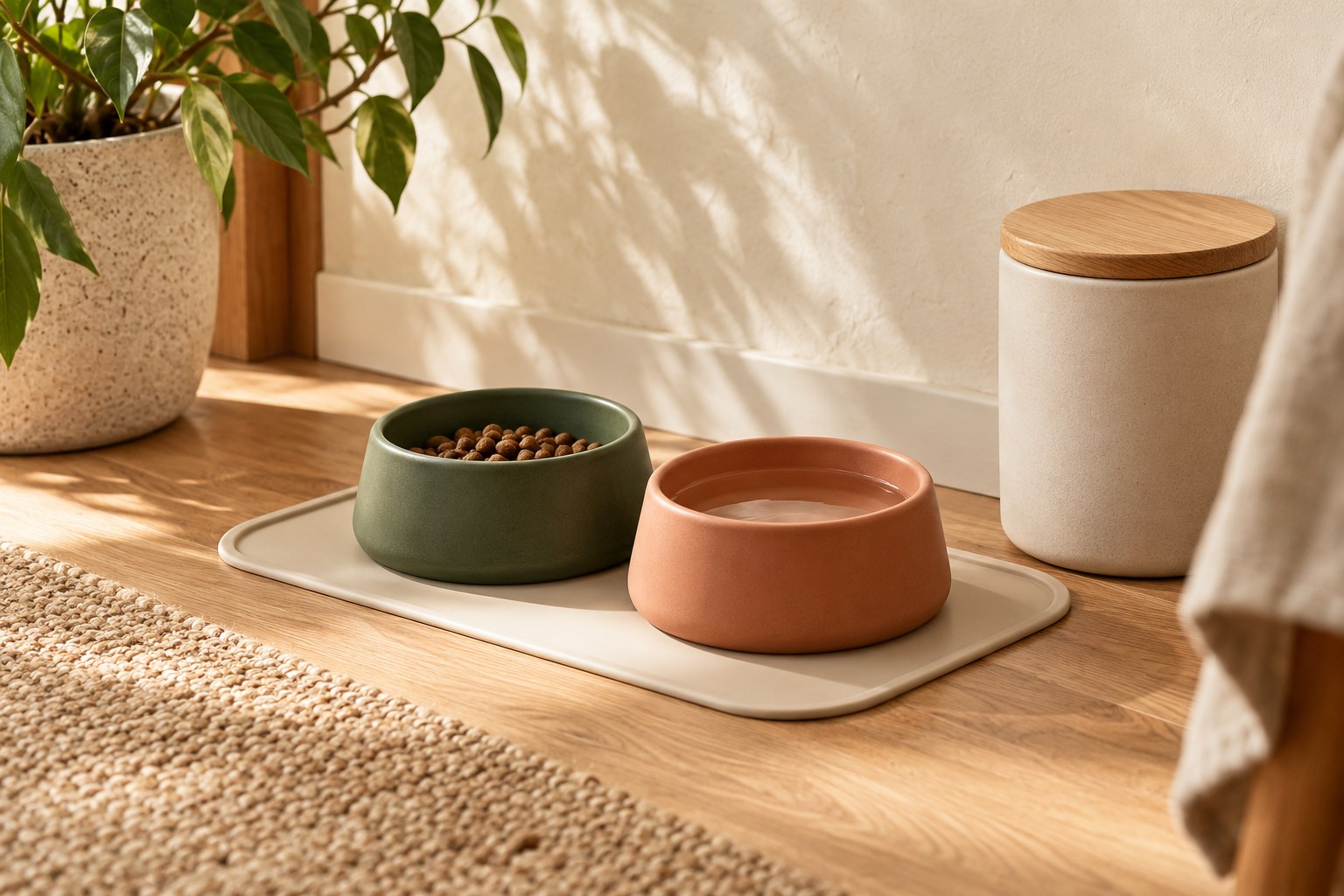
A day-trip kit works best when each item has a clear purpose. Plan portions, water handling, clean and used storage, and a short packing check without overloading a simple outing.
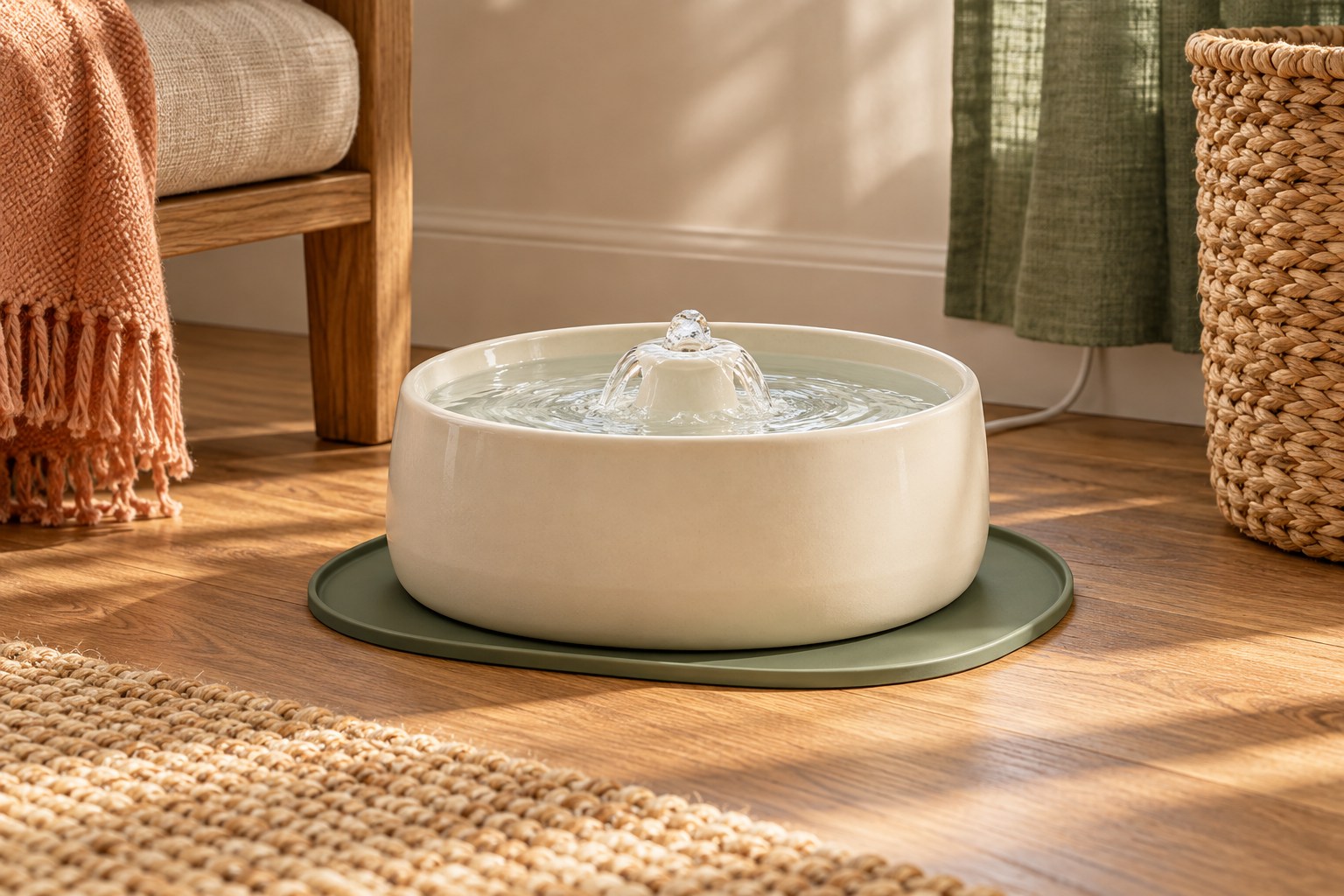
Explore the guideFilter shape, replacement availability, and cleaning demands affect fountain ownership. Compare a year's consumables, verify exact compatibility, and avoid treating a filter as a substitute for washing the equipment.
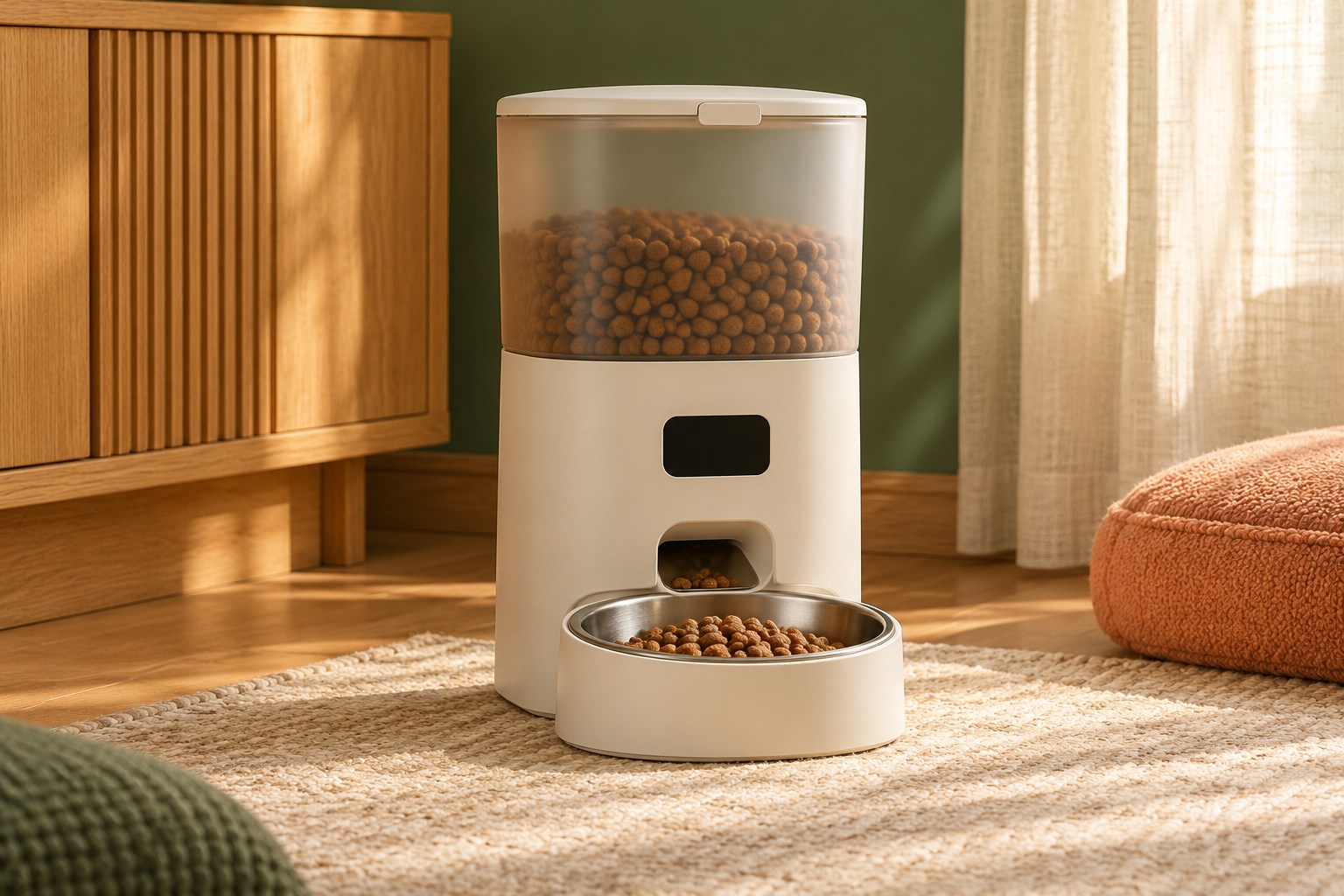
Explore the guideAutomatic feeder settings often represent motor steps rather than familiar serving measures. Learn a practical calibration method, account for variation, and record settings so the machine delivers the intended amount.
Explore the guideA feeder can contain the right amount of food and still run at the wrong time. Check clock format, recurring schedules, time changes, and reset behaviour before relying on automation.
Explore the guideA bowl stand organises a feeding area only when its inserts fit and the frame cleans easily. Compare rim support, removal clearance, floor stability, and replacement dimensions before buying a set.
Explore the guideCeramic bowls offer weight and visual warmth, but shape, glaze information, and condition determine their everyday usefulness. Compare practical construction details before choosing a decorative bowl for a feeding station.
Explore the guideCollapsible bowls save bag space, but fold geometry affects stability, cleaning, and carrying. Compare usable depth, opening stiffness, and drying access before choosing a travel bowl for everyday outings.
Explore the guideA useful bag clip matches package width and fold thickness. Compare closure length, hinges, grip, and cleaning so an inexpensive accessory supports orderly food storage instead of leaving corners open.
Explore the guideLick mats range from broad grooves to dense pockets. Compare texture, material flexibility, food-contact suitability, and supervised use to choose a pattern that remains accessible and easy to clean.
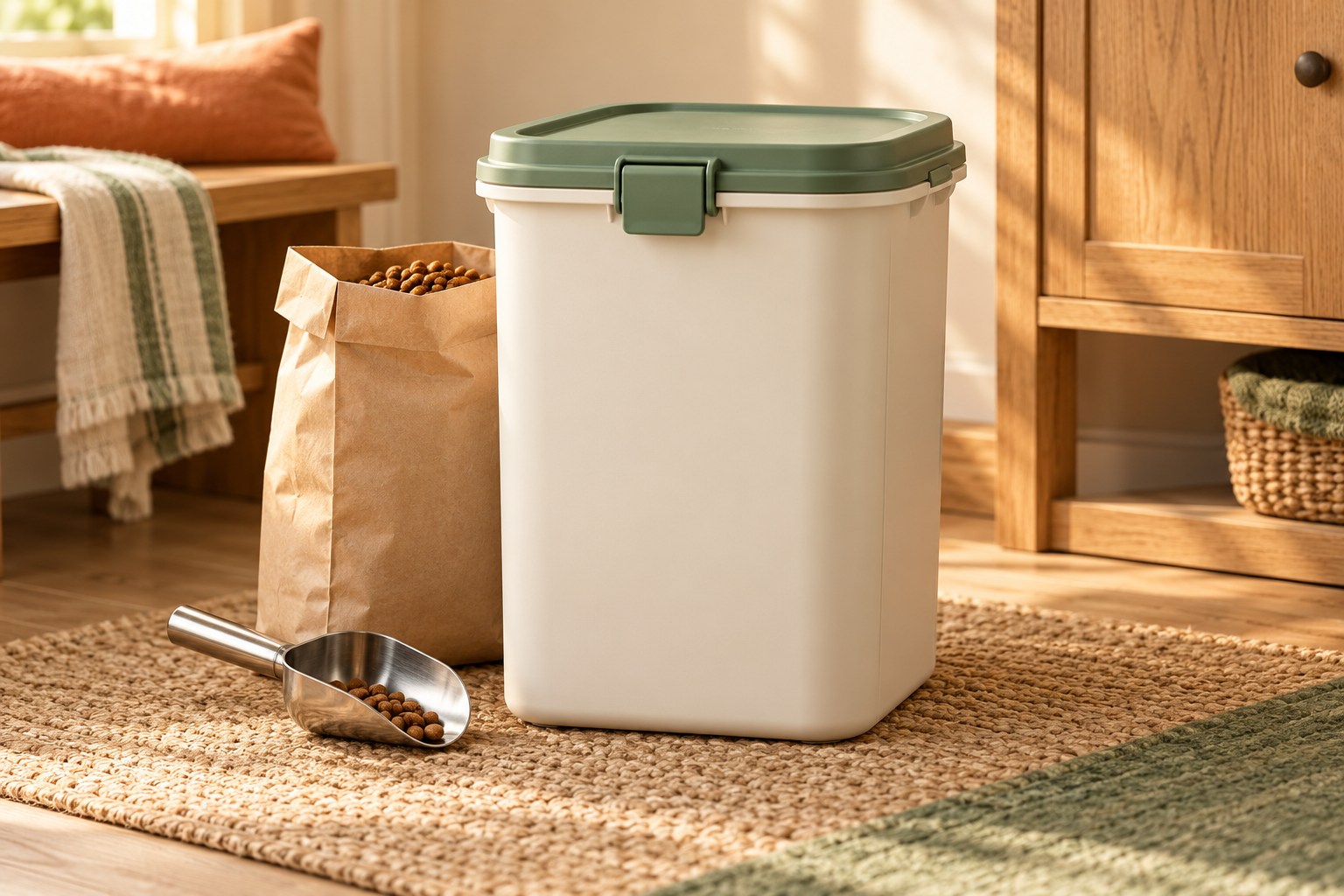
Explore the guideA storage container must fit packaging, shelves, lifting limits, and cleaning space. Measure the complete setup and compare usable openings before choosing a large bin based only on its advertised capacity.
Explore the guideA narrower bowl opening can change how ears meet the feeding area, but it also affects access and stability. Compare proportions, observe ordinary eating, and choose based on the complete setup.
Explore the guideAirtight claims reveal little about everyday opening and cleaning. Examine gasket access, latch pressure, lid alignment, and replacement options to choose a food container that closes predictably in your household.
Explore the guideA rotating tray handles scheduling differently from a hopper feeder. Compare compartment access, food-storage instructions, lid alignment, timer behaviour, and supervised trials before making it part of a feeding routine.
Explore the guideFountain placement affects access, splashes, sound, and cleaning. Test a location with a simple footprint template and plan the power cord before committing to a permanent water station in your home.
Explore the guideWide cat dishes differ in slope, depth, and usable feeding area. This guide explains how to compare shapes, contain scattered food, and observe your cat's access without relying on marketing labels.
Explore the guideThe underside of a suction-backed feeding mat needs attention too. Learn how surface fit, cup condition, careful release, and full drying affect the mat's everyday usability and maintenance.
Explore the guideFood dust gathers beyond the visible serving bowl. Learn how to assess hopper removal, dispensing parts, drying space, and reassembly so automatic feeder maintenance fits an ordinary household routine.
Explore the guideMatching capacity is not enough when replacing a bowl in a holder. Measure the support rim, body profile, depth, and lifting clearance to avoid a loose or incorrectly seated insert.
Explore the guideOne automatic feeder does not guarantee equal access for several animals. Evaluate bowl position, identification features, visibility, and supervision to build a feeding arrangement that can be checked reliably.
Explore the guideRidges and mazes change how food moves through a bowl. Compare channel width, obstacle height, portion fit, and washing access to choose a slow feeder that offers manageable interaction.
Explore the guideA feeding mat should catch ordinary spills without becoming a bulky obstacle. Map bowl movement, water drips, and walking space to choose a useful size, edge, and cleaning routine.
Explore the guideA water fountain's pump needs more attention than its visible basin. Examine disassembly, small cavities, cable routing, and replacement availability before choosing a fountain for everyday use at home.
Explore the guideA stainless-steel bowl can look straightforward while hiding awkward rims, unstable feet, or difficult seams. Learn which construction details matter when choosing a bowl for daily washing and use.
Explore the guideBattery backup can preserve some feeder functions while leaving others unavailable. Read the operating modes, test permitted power transitions, and build a practical checking routine around the exact model.
Explore the guideFloating plates and inward-facing rims manage water differently. Compare access, refill handling, removable parts, and spill routes to find a splash-resistant bowl that suits a particular room or journey.
Explore the guideA gravity dispenser works without a powered pump, but its reservoir opening, valve, balance, and cleaning access matter. Learn how to evaluate the complete design and plan manageable refills.
Explore the guideScoops are useful transfer tools, but shape and filling technique affect the amount they hold. Compare handles, markings, and storage habits, then establish a repeatable method for your intended serving.
Explore the guide