Warm-weather walking starts with choosing suitable conditions and a manageable route. A bag full of accessories cannot make an overheated pavement or a long exposed path appropriate. Once timing and location are sensible, a small kit can help you respond to changing circumstances without adding unnecessary weight.
Think in terms of access: access to water, shade, a shorter route home, and the contact information you might need.
Plan the route before packing
Identify shaded sections and ways to shorten the outing. Pavement, exposed sand, and sheltered grass can behave differently, and conditions change through the day. Avoid relying on a single product label or a fixed temperature threshold for every dog. Individual tolerance varies, so seek veterinary guidance where appropriate and observe the dog throughout. If the dog seems uncomfortable, stop and change the plan. Serious or persistent signs of distress require prompt veterinary attention rather than another accessory.
Make water reachable
Carry an adequate supply for the planned route with a margin for delays, using a clean secure container that is easy to open. The precise amount depends on the dog, duration, activity, and conditions. Check the closure before placing it next to a phone. An accessible pocket helps you offer water during appropriate pauses without unloading the whole bag. Avoid assuming a public fountain will be operating or suitable when you arrive; treat it as an optional refill opportunity rather than the only source.
Reduce unnecessary worn bulk
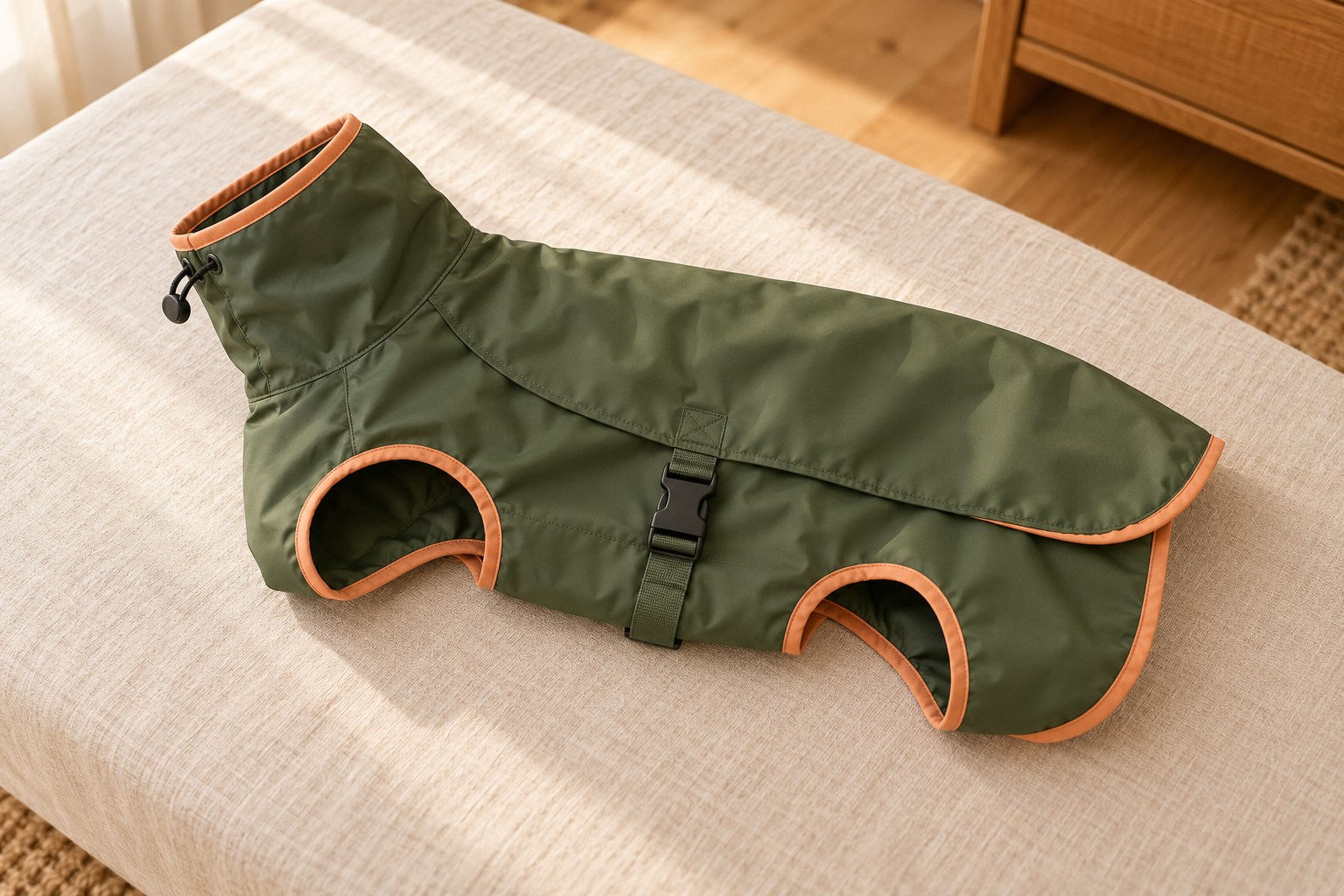
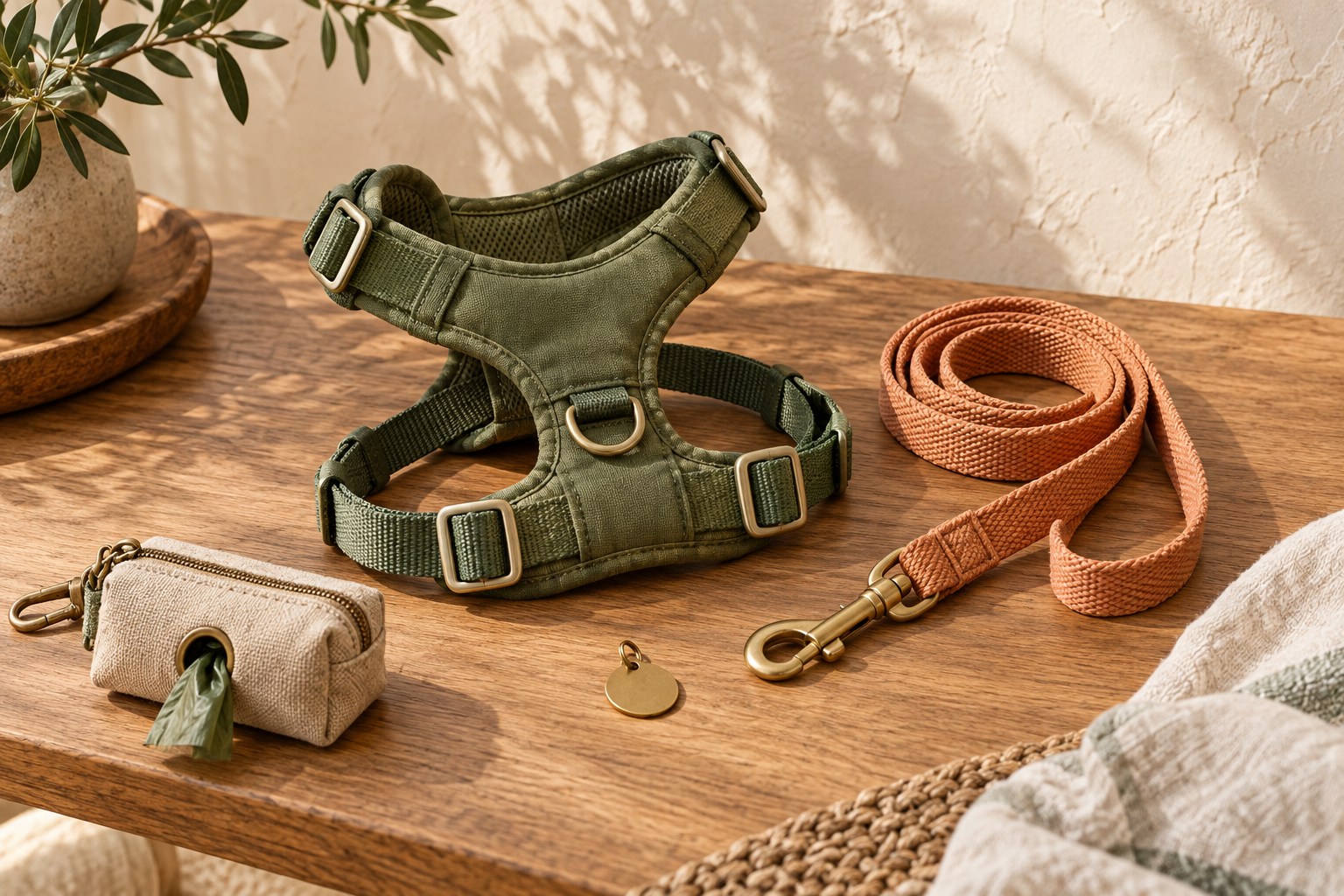
A heavy padded harness, thick decorative bandana, or oversized bag may add material without serving the outing. Choose properly fitted equipment and keep reflective or identification features exposed. Cooling accessories vary in mechanism and use instructions; read them carefully and do not treat them as protection against unsafe heat. A hypothetical dog wearing a wet garment may also need a harness refit because added moisture and slippery fabric change the arrangement. Monitor comfort rather than relying on how cool a material feels in your hand.
Pack for a practical pause
A compact cloth can help dry hands or equipment, while a lightweight ground sheet may create a clean resting spot only where the ground and surroundings are already comfortable. Shade can move, so assess it when you stop. Keep the leash organized and avoid tethering the dog where you cannot supervise closely. Carry your phone and a clear route back. The ability to shorten a walk promptly is often more valuable than bringing several items intended to prolong it.
Review what was used
After the outing, note what you actually reached for and what remained unnecessary. Refill and maintain water equipment according to its instructions, dry damp items, and inspect the bag for leaks. If a route repeatedly requires emergency improvisation, change the route or timing. Build a smaller routine that makes sensible pauses easy. Warm-weather preparation should make you quicker to respond to the dog and conditions, not more committed to completing a distance planned earlier.

For our approach to product claims and illustrations, see the Editorial Policy.