A cat that settles inside a cardboard box or beneath a chair may enjoy a covered bed, but enclosure alone does not guarantee acceptance. The entrance must feel accessible, the interior must fit a relaxed cat, and the structure must stay open. Choosing a cave bed means considering the route in and out as carefully as the cushion inside.
Make the opening usable
Measure the entrance separately from the widest external point. A rounded shell can look spacious while a small opening forces an awkward squeeze. The cat should enter voluntarily without the sides pressing tightly around its body. Consider the height of the lower lip as well: a thick raised edge can be less convenient than a low opening with a stable floor beneath it.
Think about visibility from inside. Some cats prefer a partly covered retreat where they can still watch the room; others select a deeper chamber. An entrance that faces a busy hallway may undermine the appeal of the enclosure. Turn the opening toward a quiet view and leave enough space in front that another pet or a furniture leg cannot easily block the exit.
Compare soft and structured shells
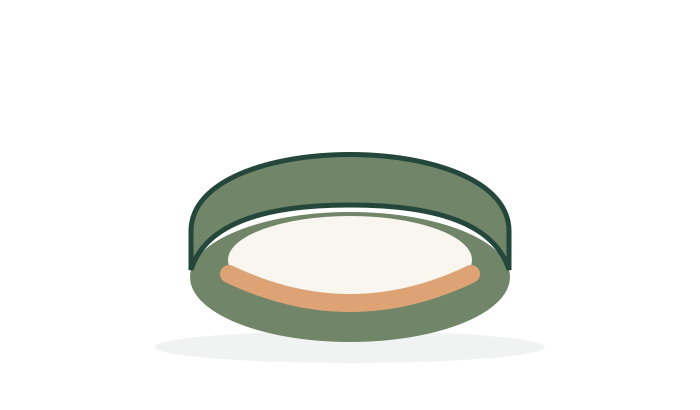
A soft fabric hood packs away easily but may collapse when a cat steps on top. A structured shell keeps its shape, although rigid sides can take up more space than the sleeping cushion suggests. If a product can convert between a cave and an open bed, check whether its intended folding method leaves hard seams or a bulky ridge beneath the sleeper.
Removable cushions are useful only when they can be replaced without distorting the enclosure. Examine the floor for exposed fasteners and the roof for hanging decorative pieces that could detach. Simple interiors tend to be easier to inspect. Avoid adding loose cords, dangling toys, or extra padding that makes the entrance narrower or reduces the stable internal floor area.
Keep the interior dry and inviting
Covered beds can conceal hair and moisture. Choose a design that opens widely enough to inspect its corners, and follow separate care instructions for the shell and cushion. Allow the full enclosure to dry after cleaning; a surface that feels dry does not necessarily mean a padded base is ready. Locate the bed away from damp floors and direct heat sources.
Introduce it as an available choice rather than placing and holding the cat inside. A familiar washable cloth can connect the new object with an existing resting routine, provided it lies flat and does not crowd the space. If the cat repeatedly chooses the top instead, that preference is useful information; an open bed may match its habits better than a deeper cave.
For our approach to product claims and illustrations, see the Editorial Policy.